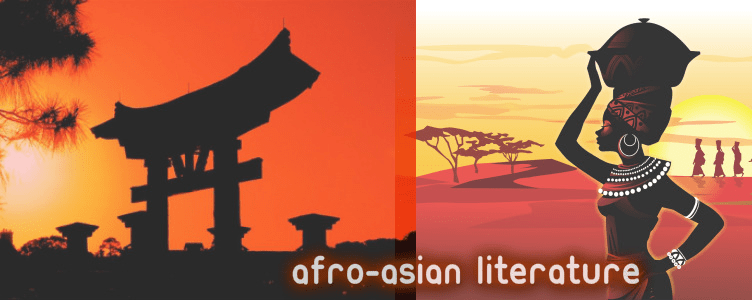

Studying Afro- Asian literature gives us knowledge on how and what their culture and tradition is, as well as their moral values and perspective in life. This flow on how the different stories passes generation to generation. Those literary works of Afro Asian remarked us lesson in which we could apply to our daily living.
In simpler thought, Afro-Asian literature refers to literary output of the various countries and culture in Africa and Asia. This includes their oral traditions.
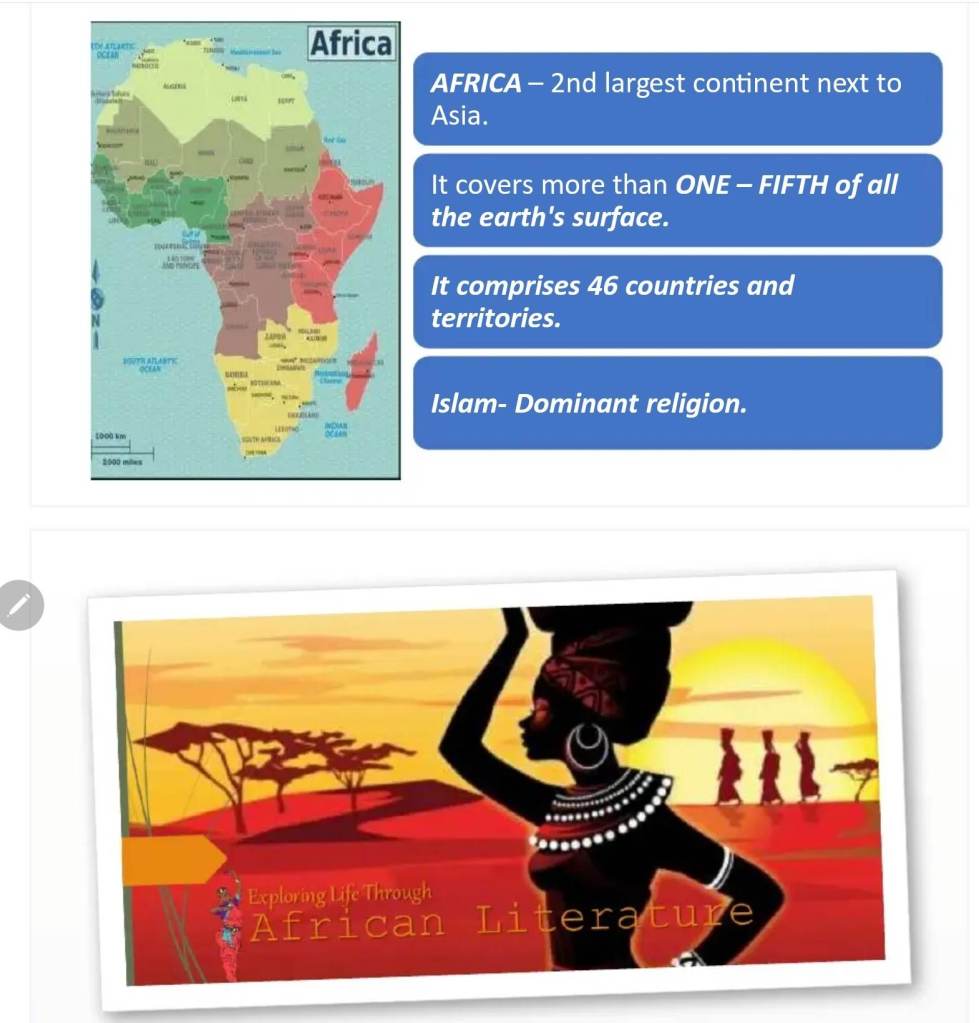
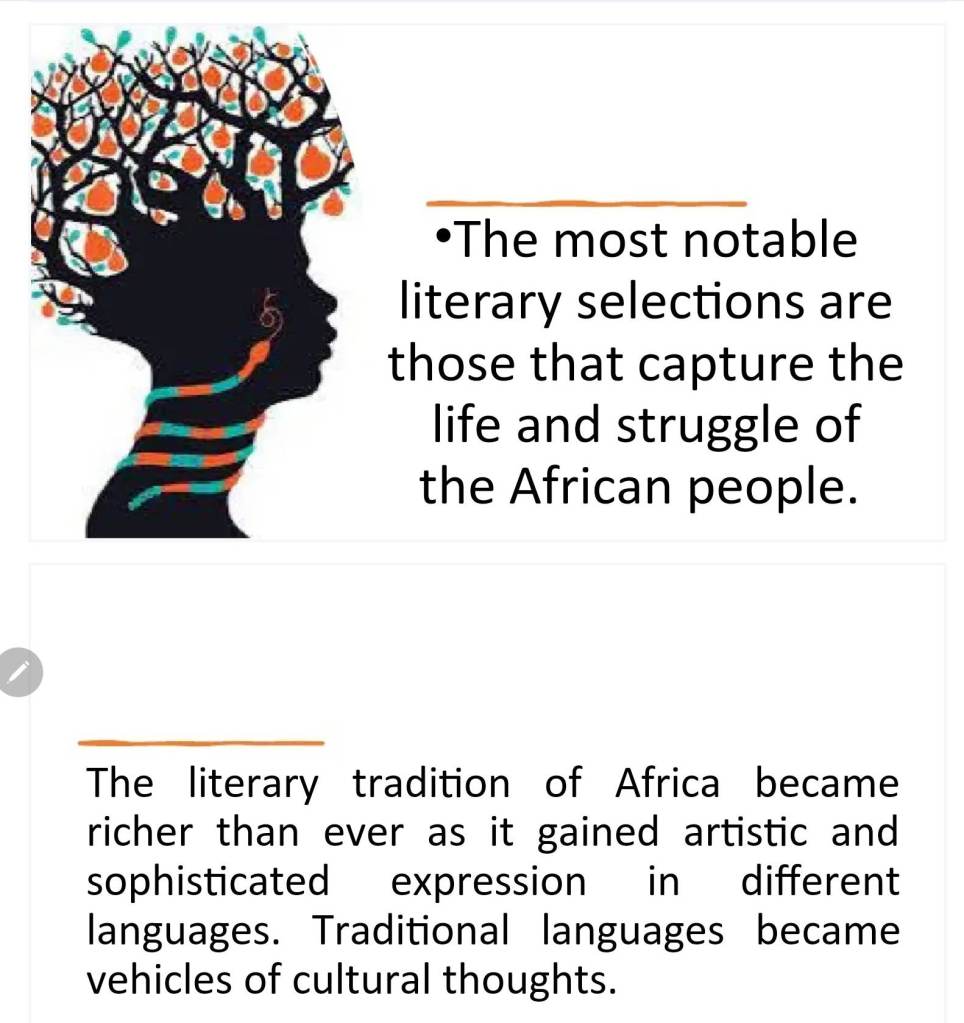
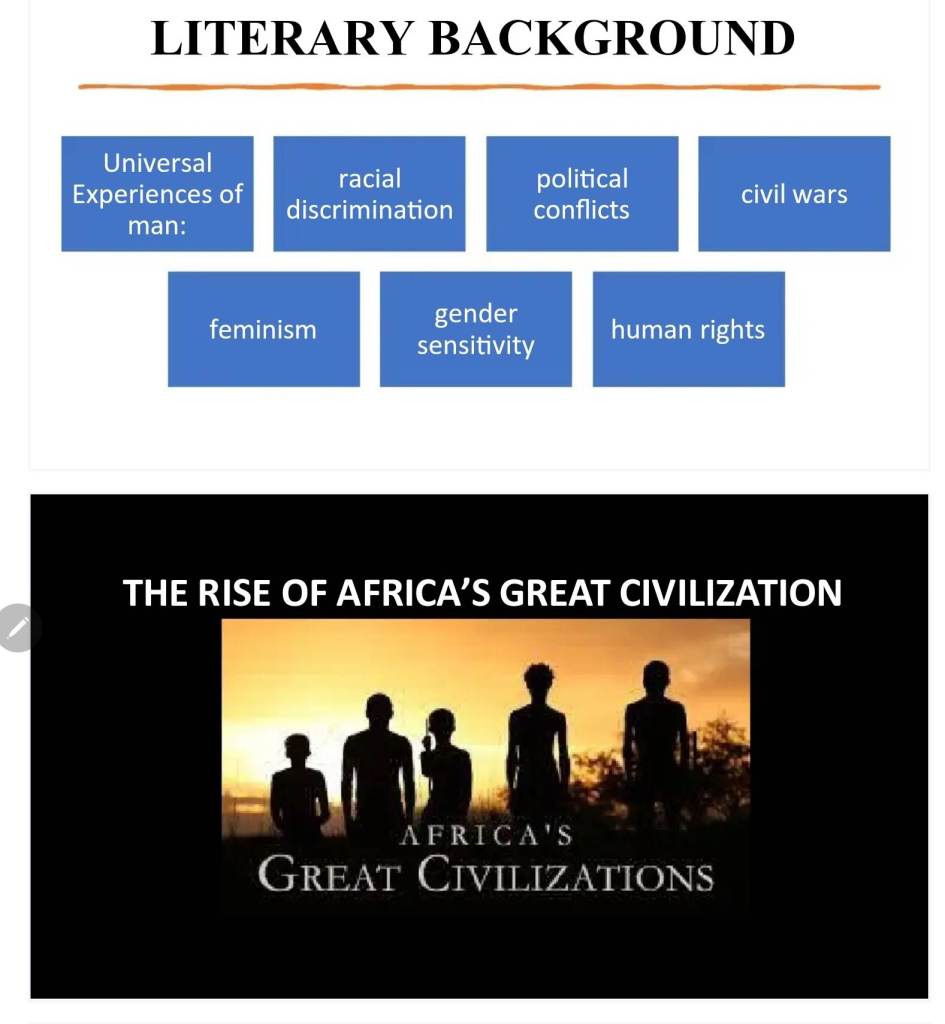
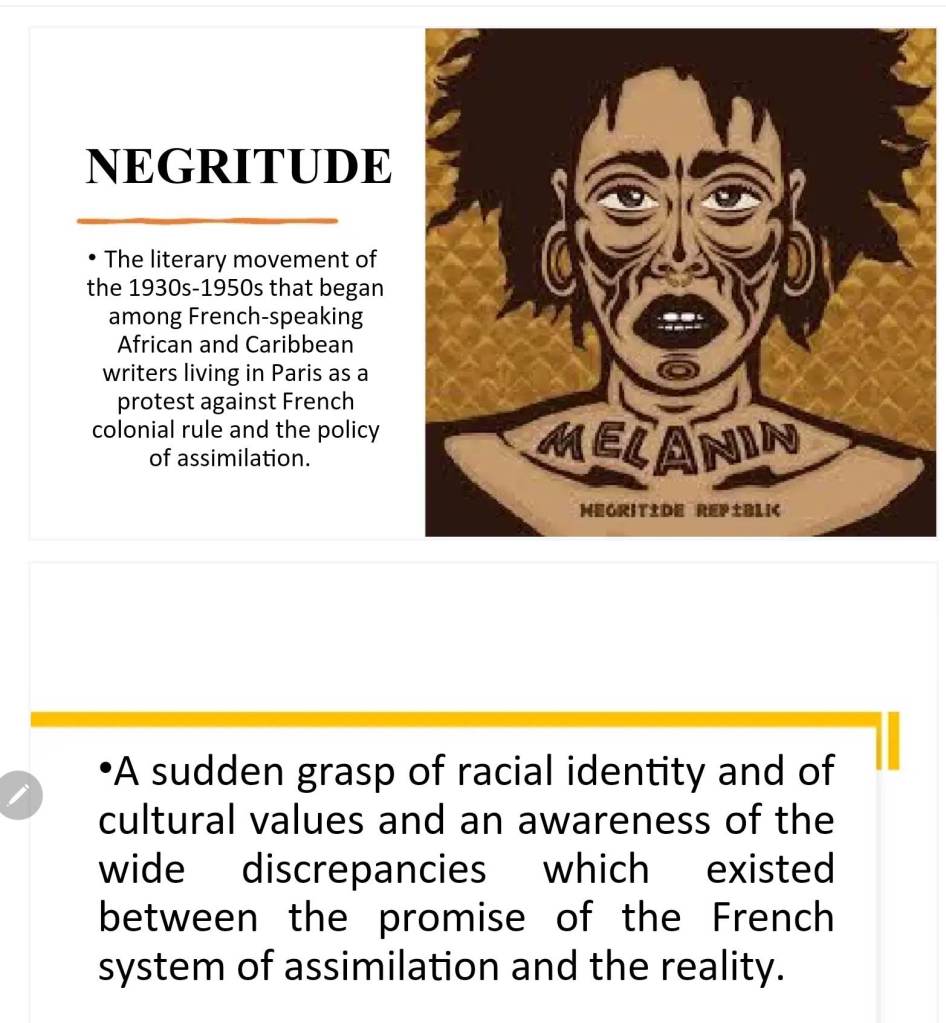
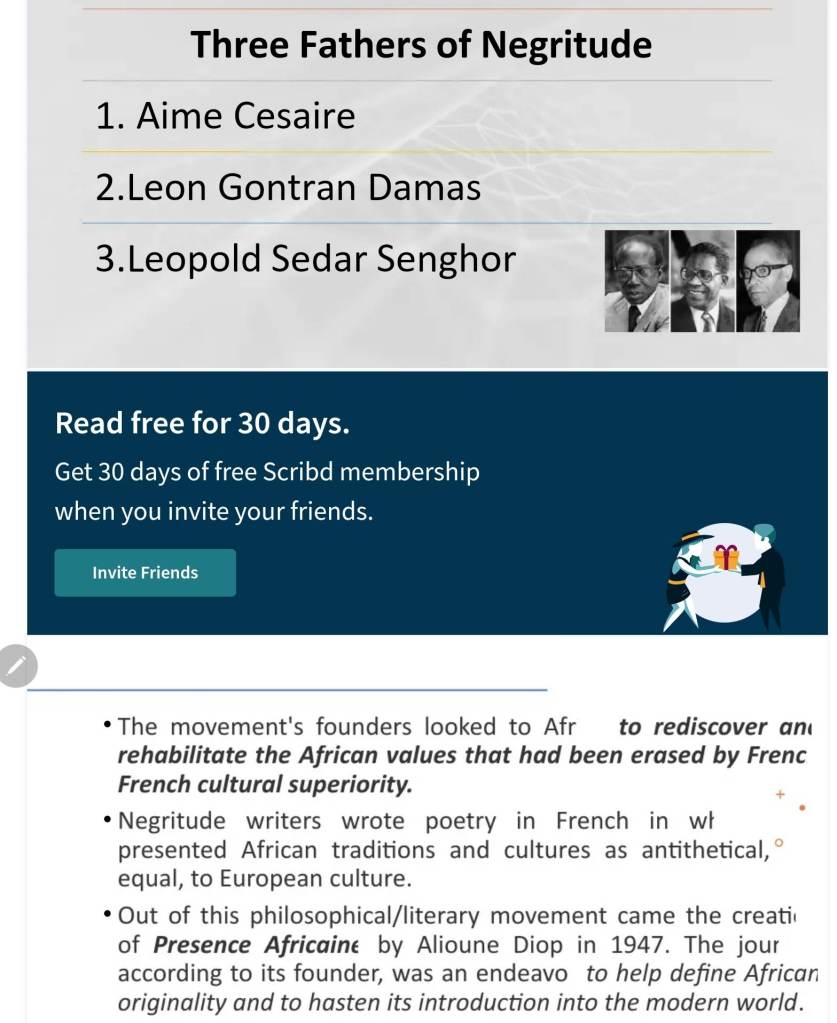
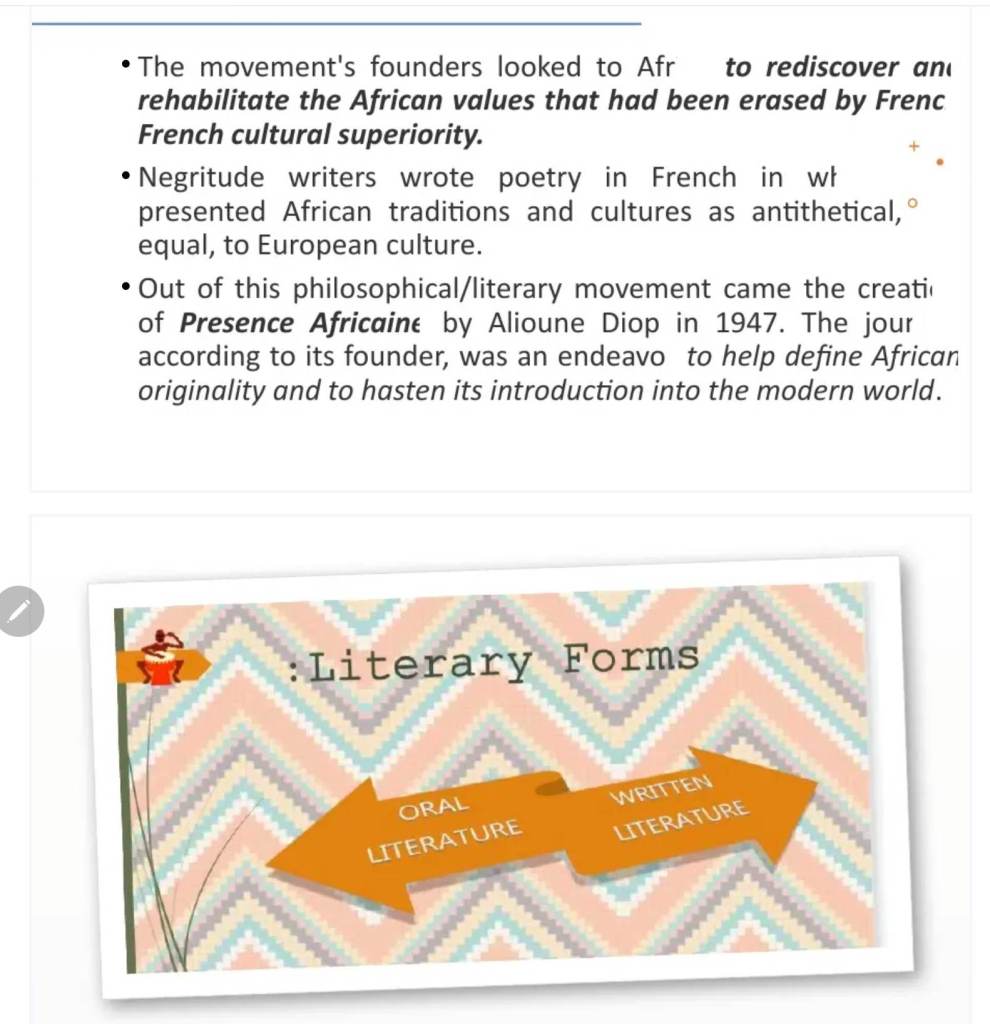
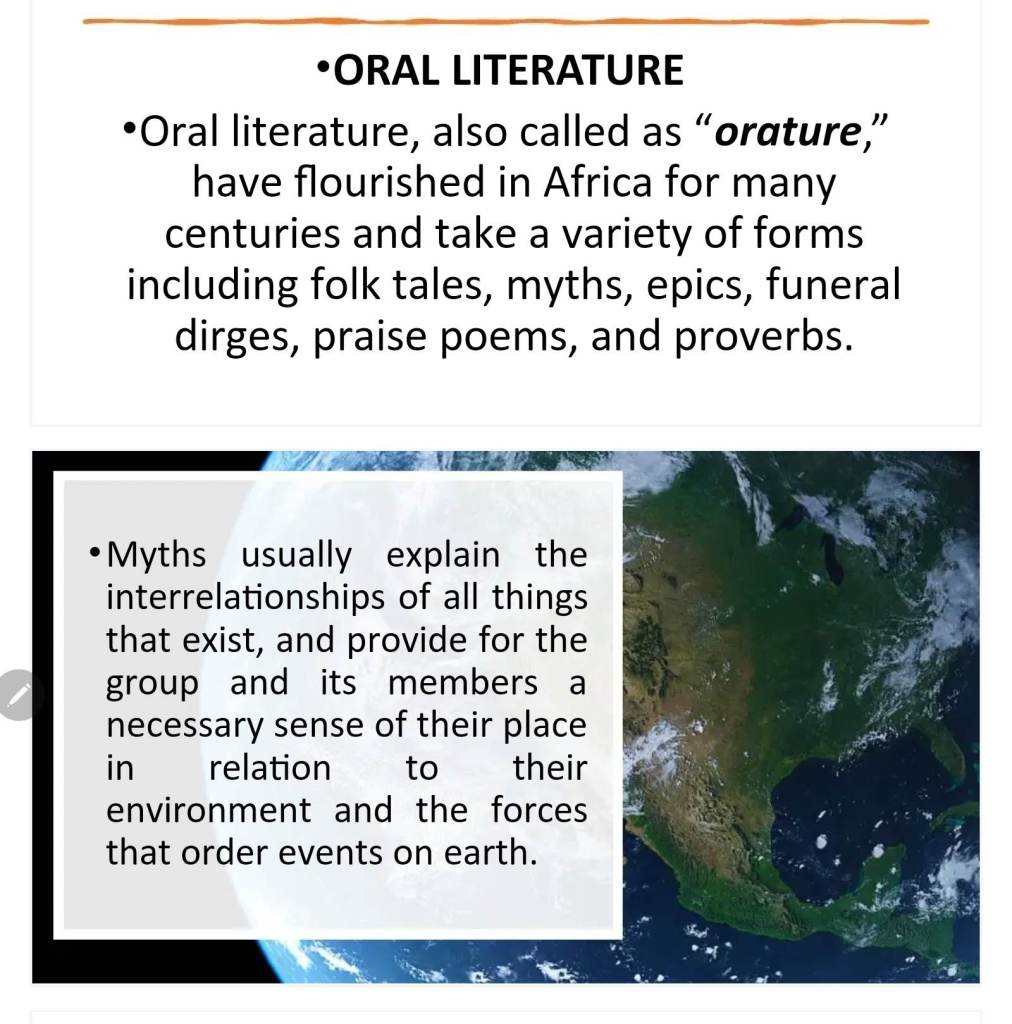
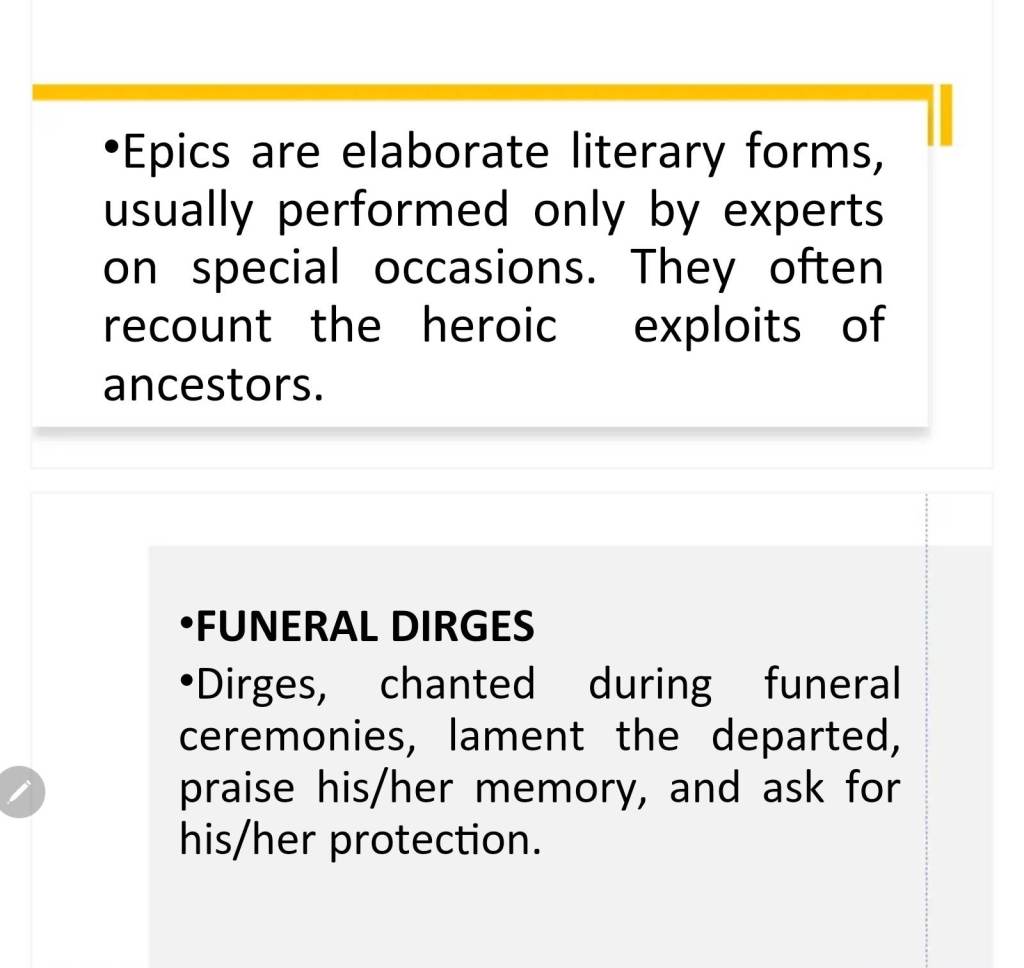
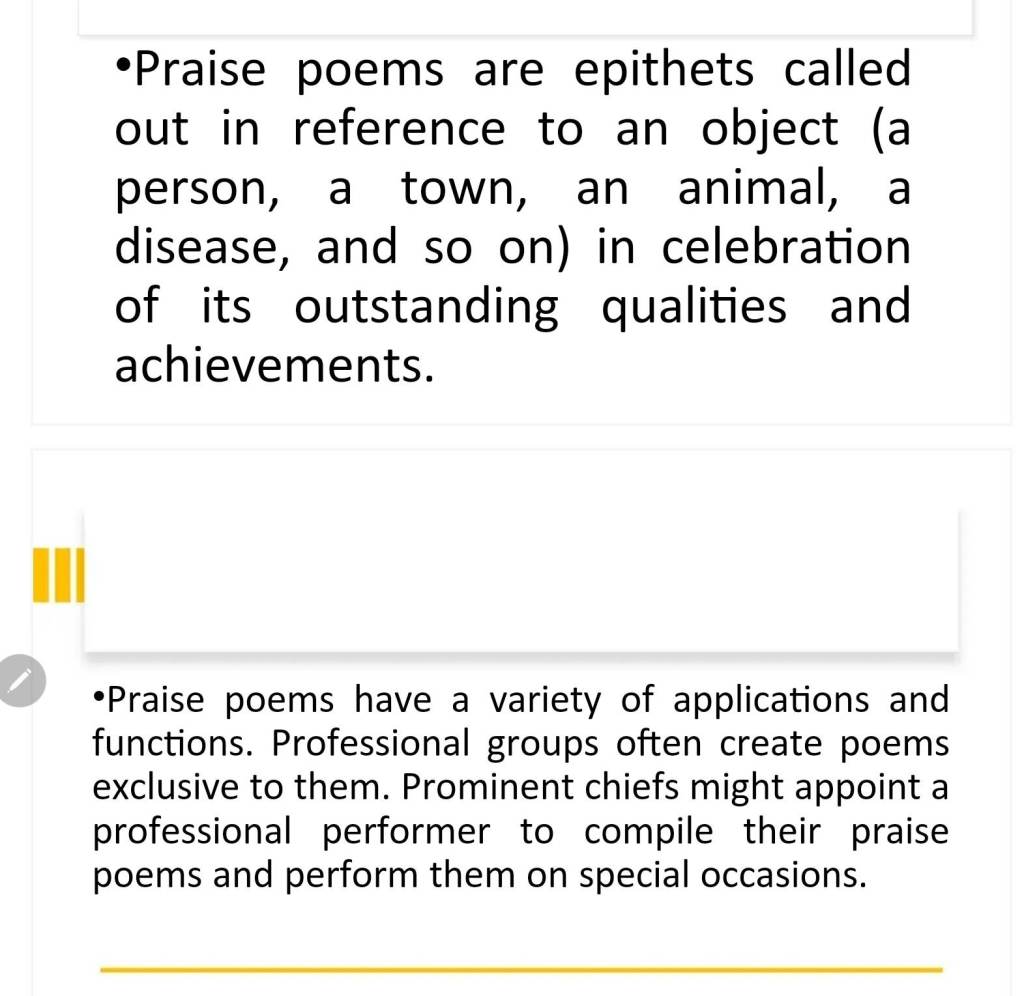

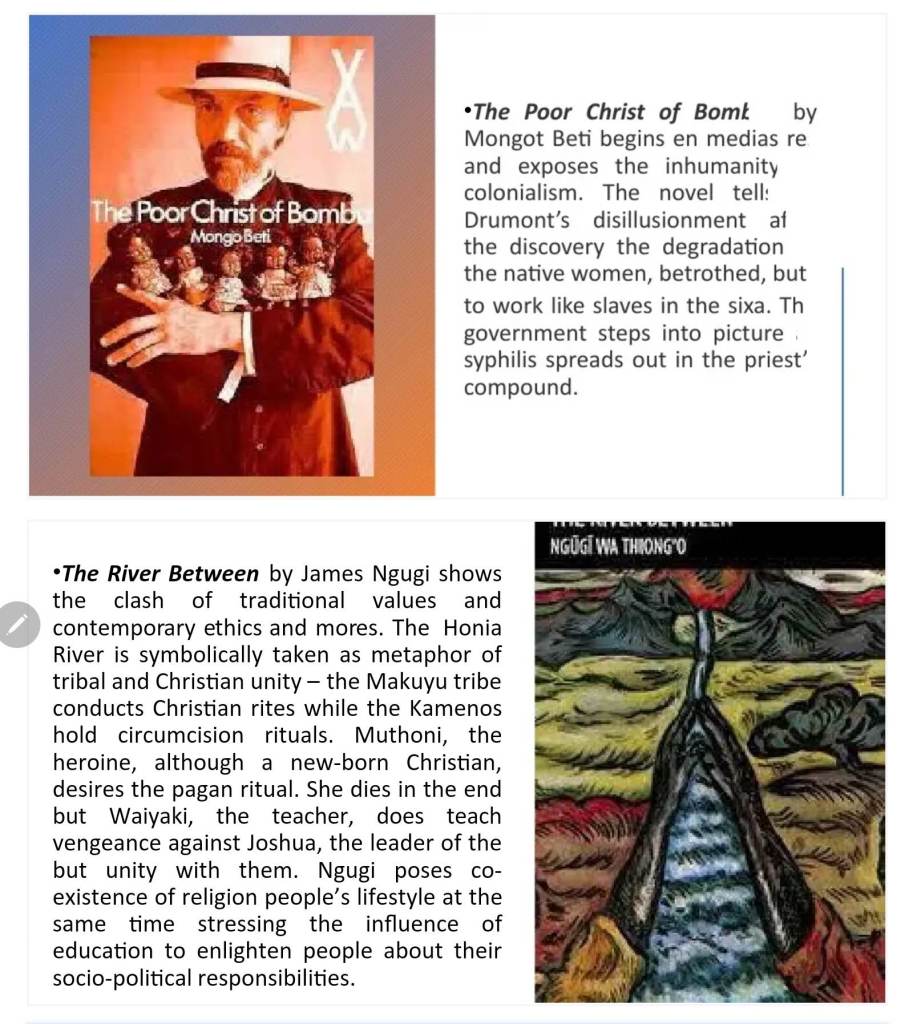
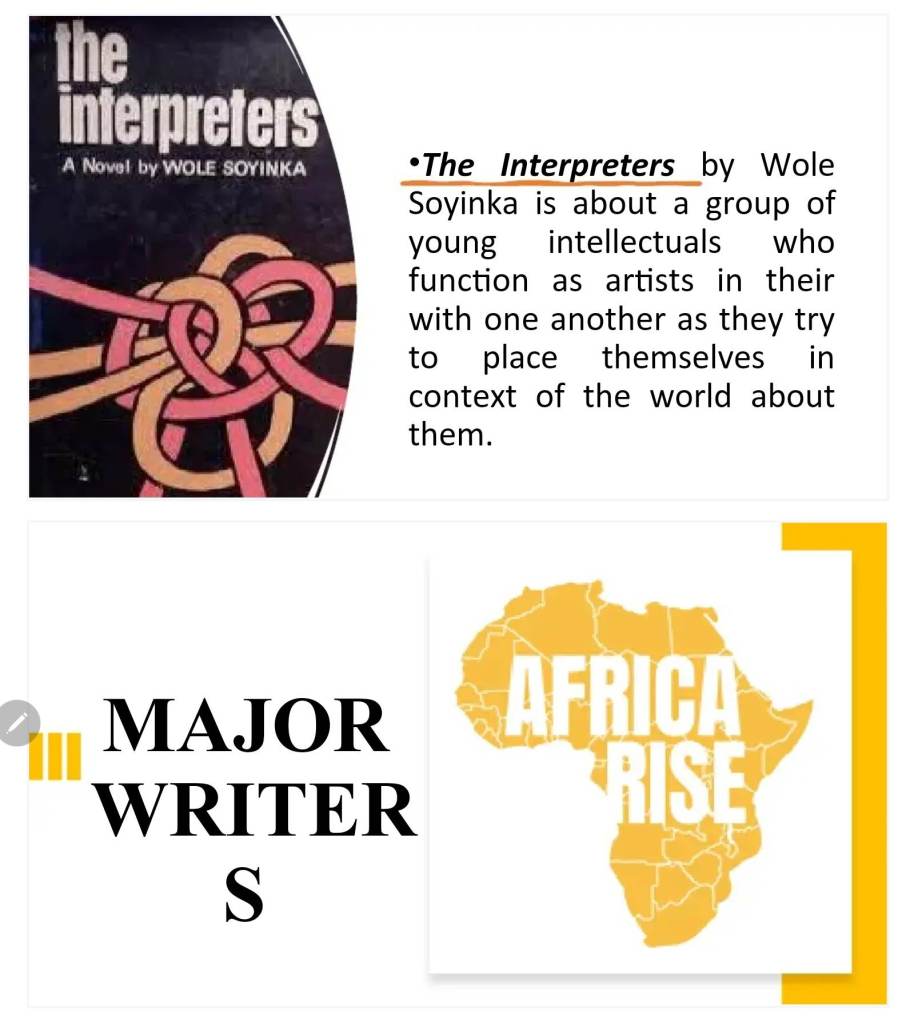
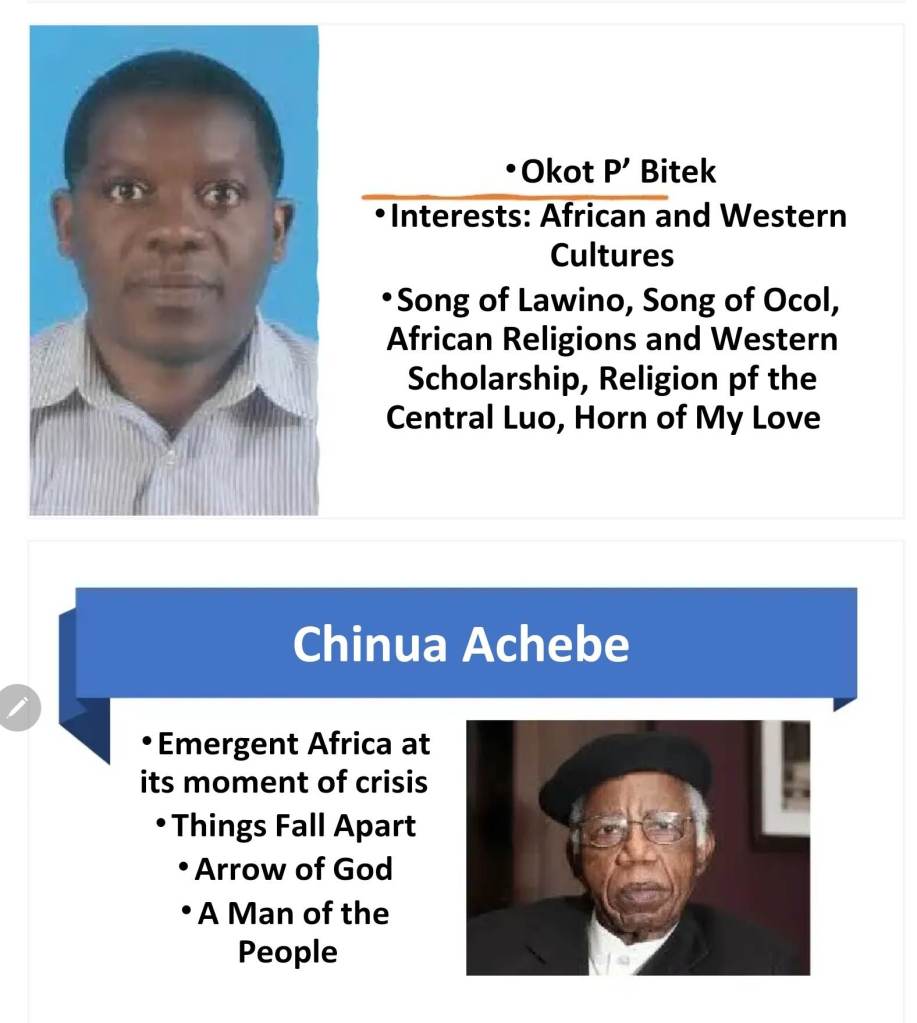
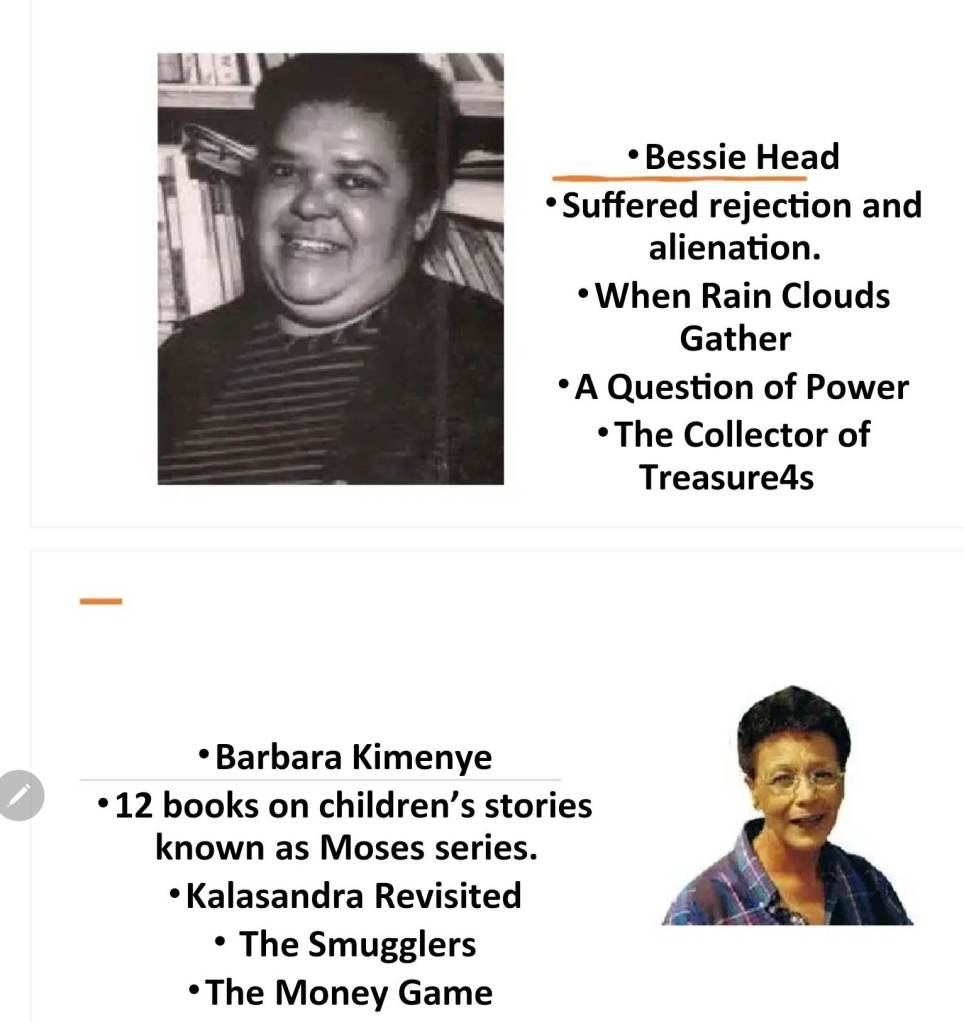
African literature is not important only because of its relevant setting and relatable storylines. It also increases our social consciousness and raises awareness of social, political and economic crises that the African continent is facing.
African literature simply refers to the literary works written by Africans for the Africans. African literature is unique and peculiar as compared to literary works from other continents. African aesthetics as a part of reference system comprises of social, artistic and philosophical values: in music the artistic values refer to the orderly arrangement of music or oral poetry. The arts may be considered good because they satisfy artistic and social values. The philosophical values of culture will be manifested in the artistic forms which operate within a specified symbolic system. For example, if the leopard skin signifies the chief, representation of the chief will be reflected through the use of this symbol. African written literature is an effective tool of communication and carries African culture in it. Through it, sentiments and compliments are expressed and the artistic knowledge imparted from generation to generation.
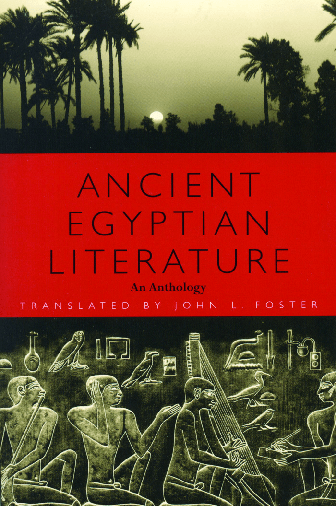
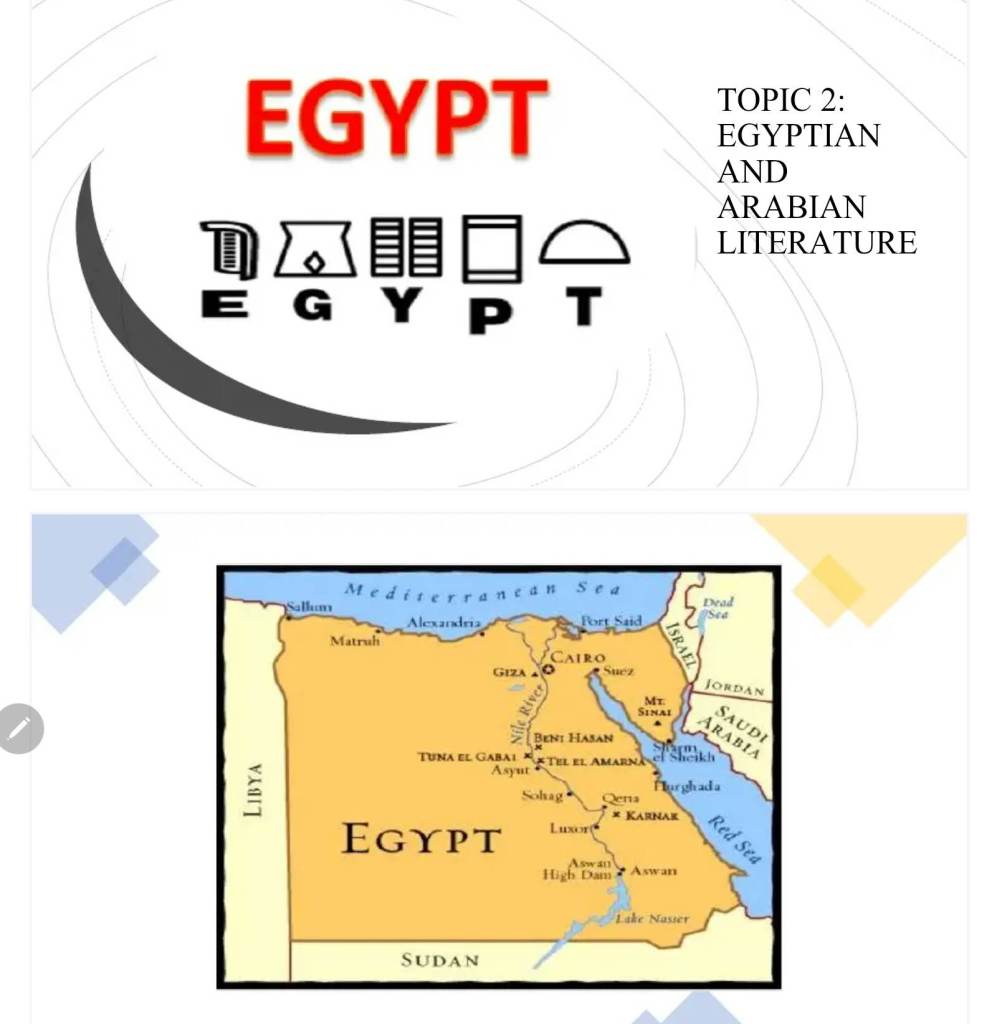
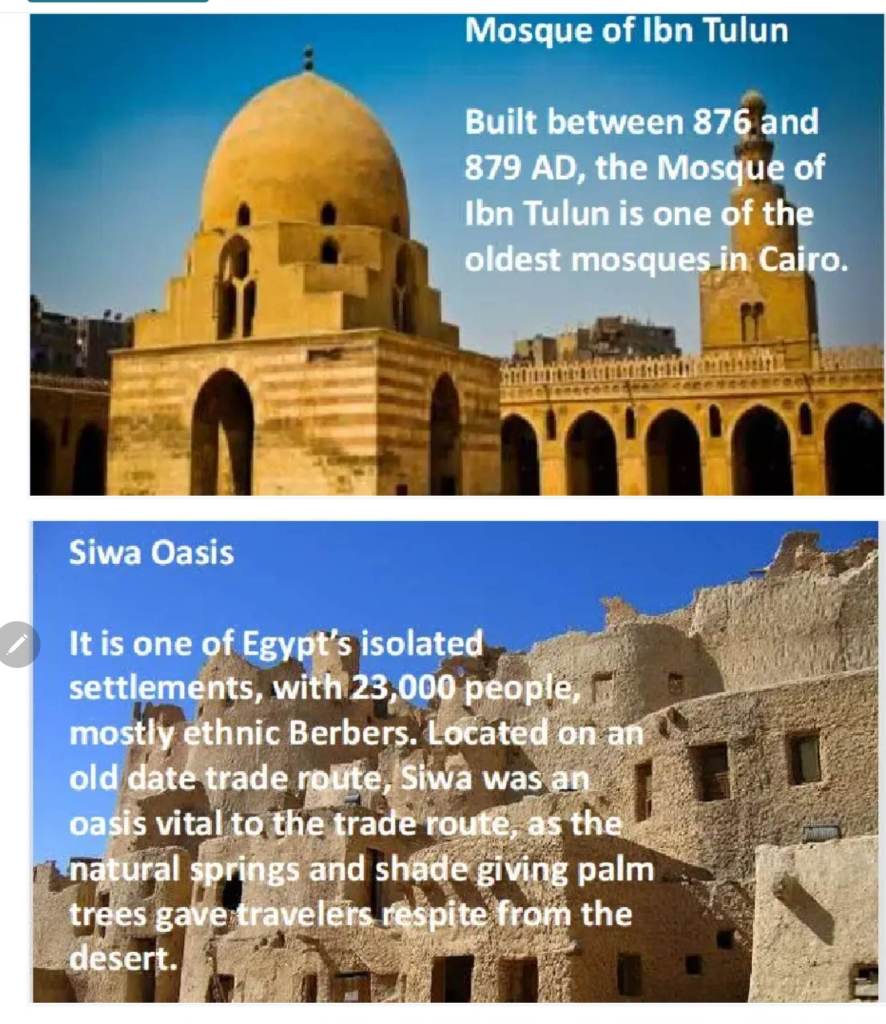
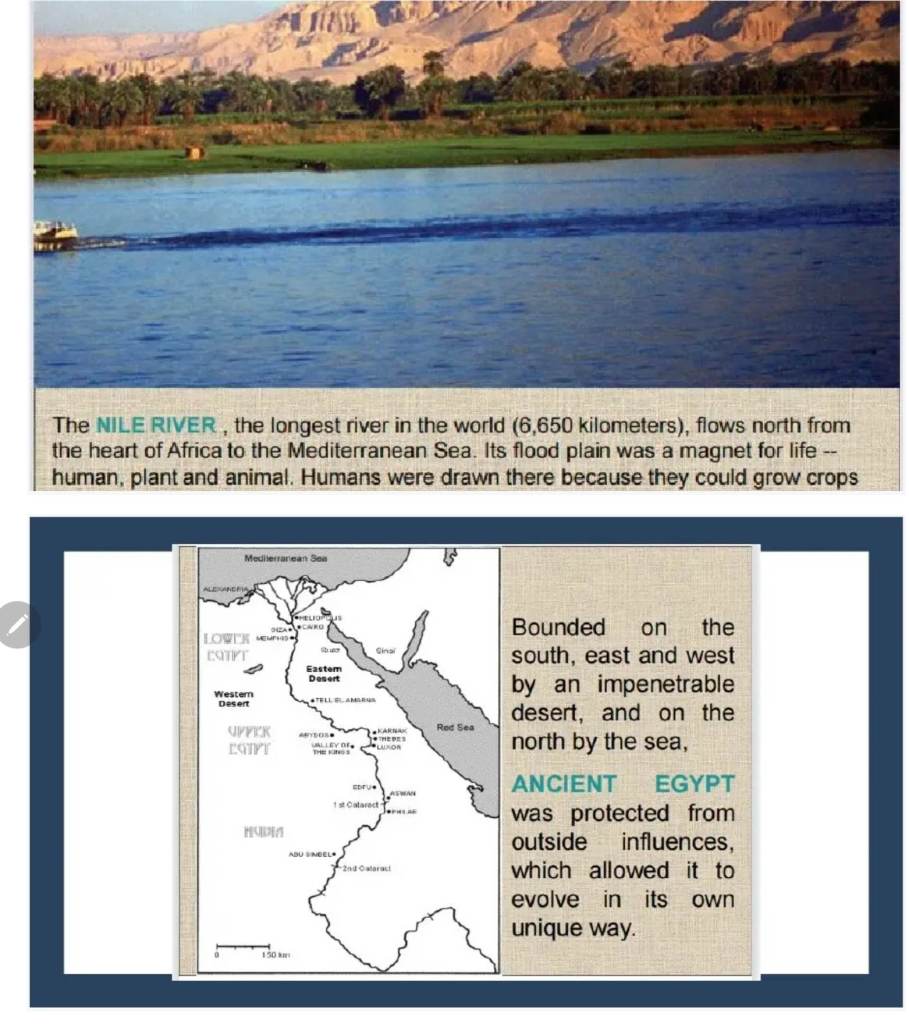
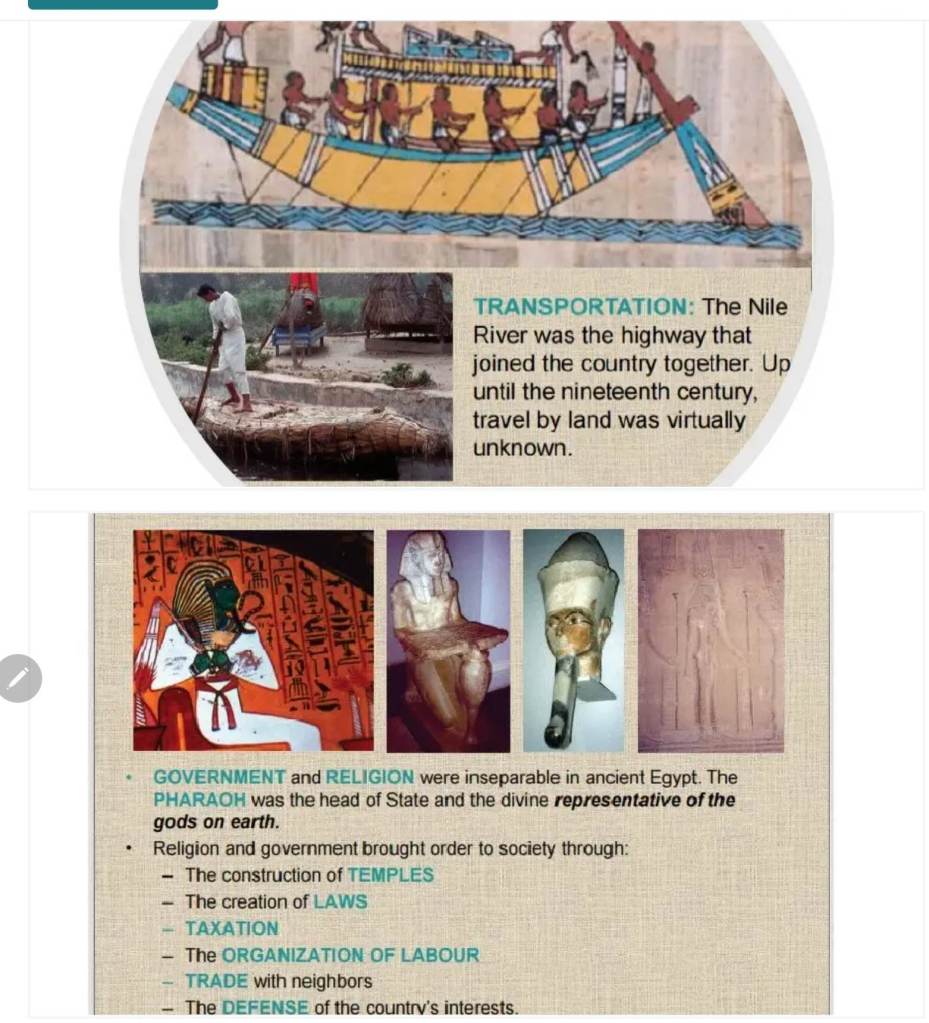
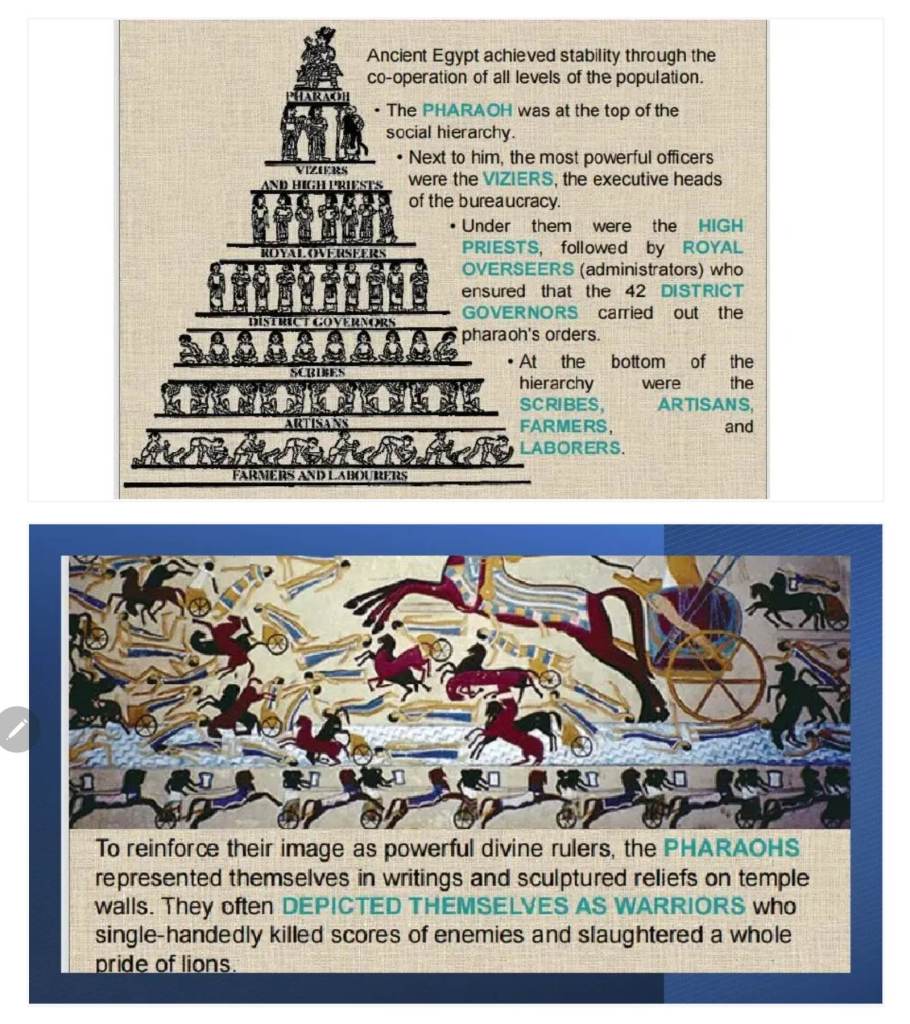
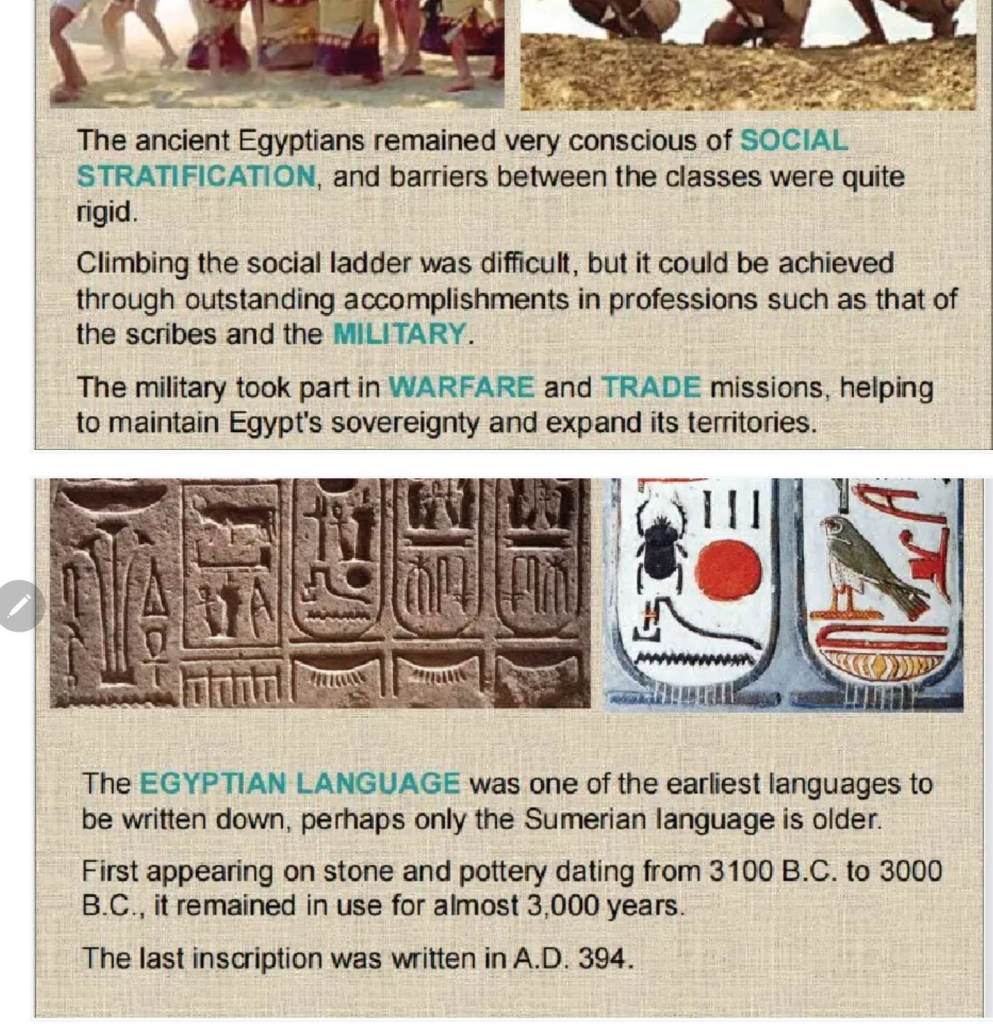
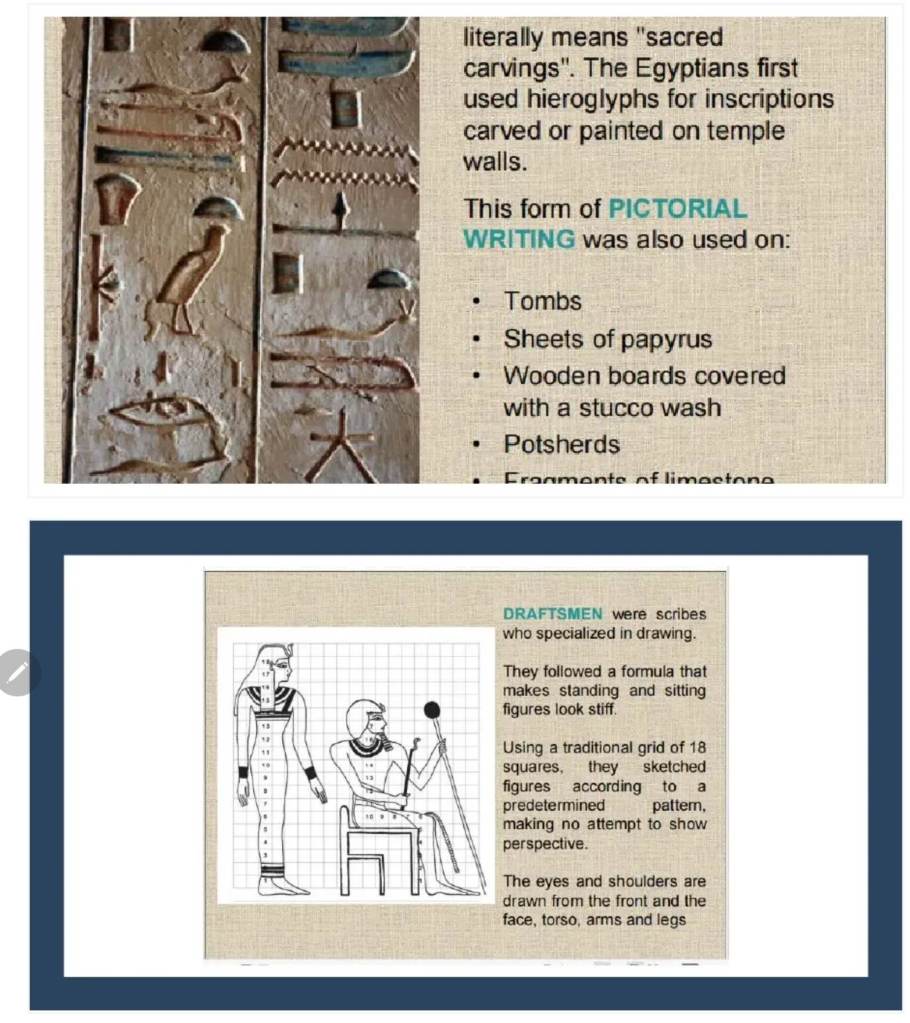
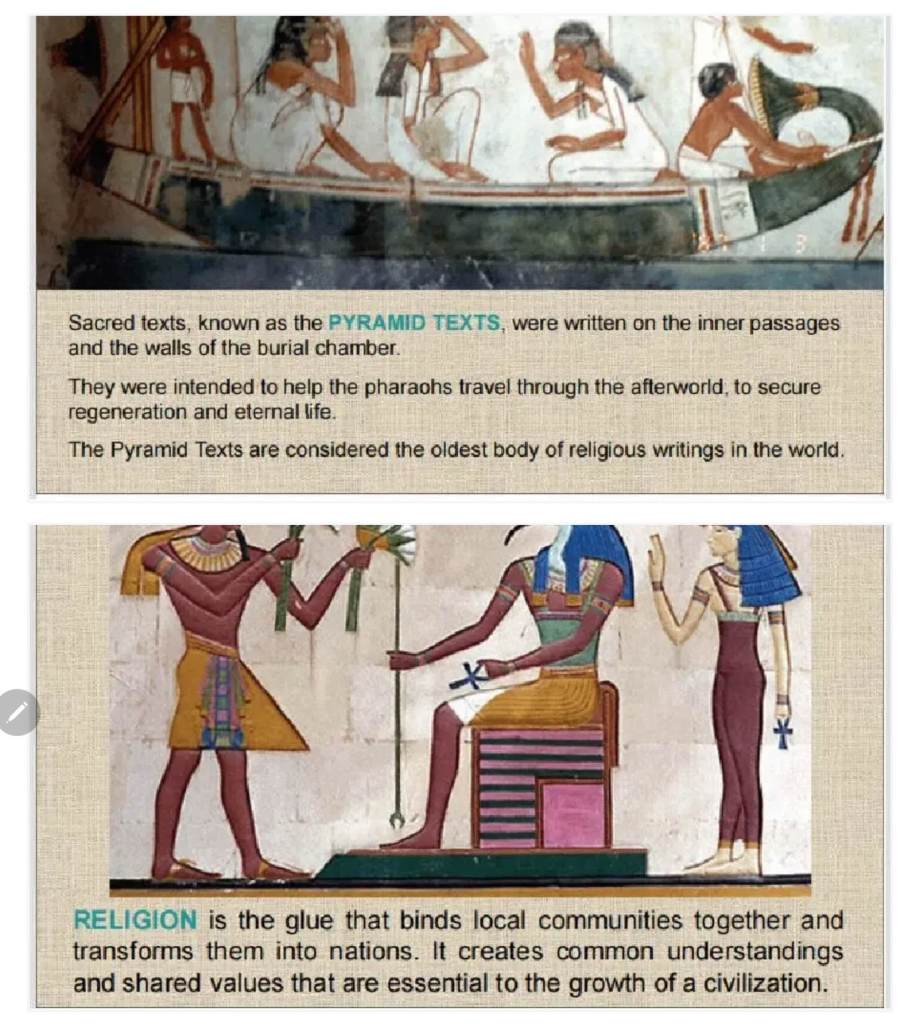
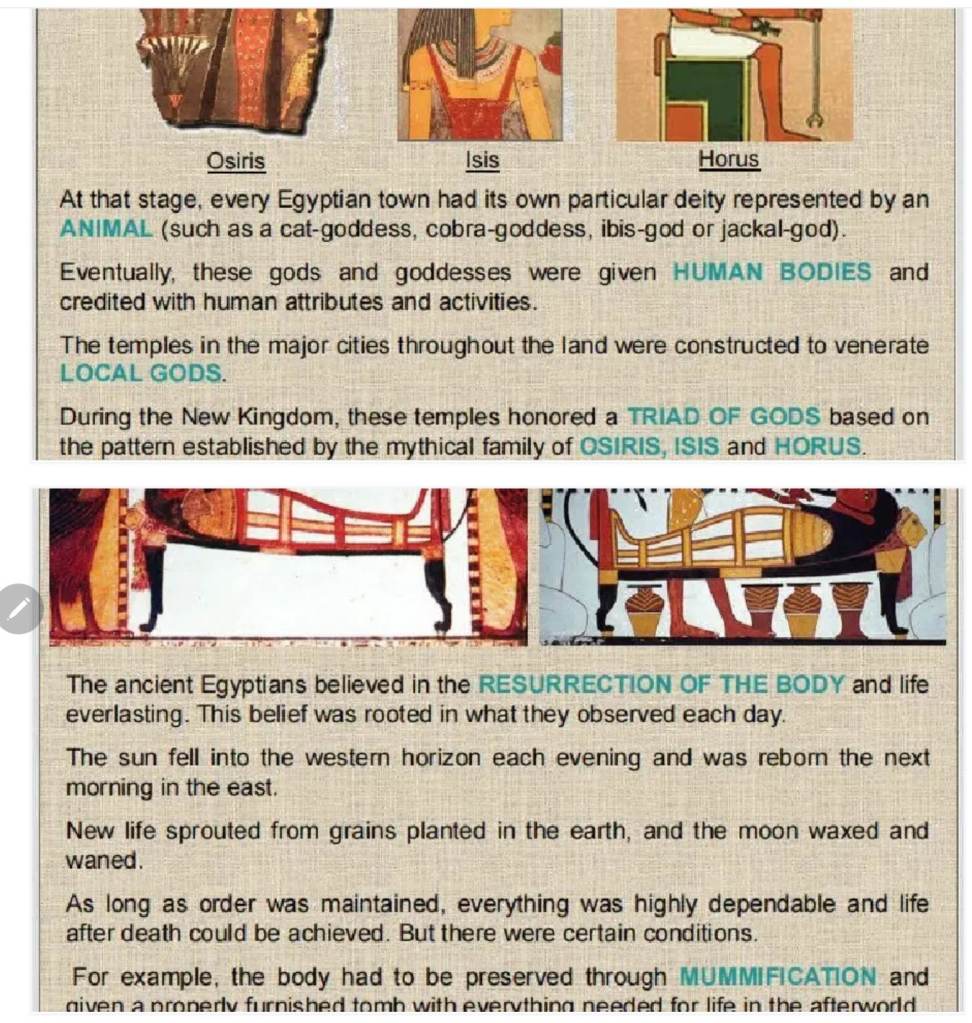
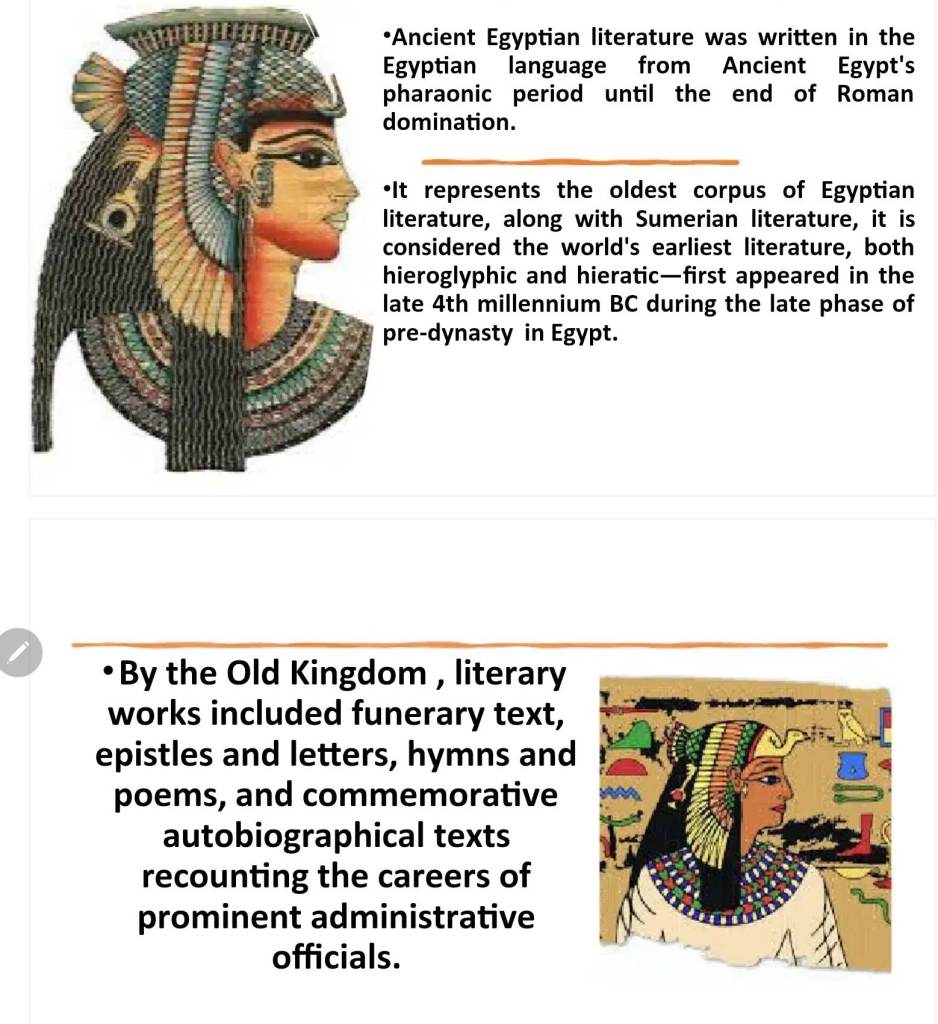
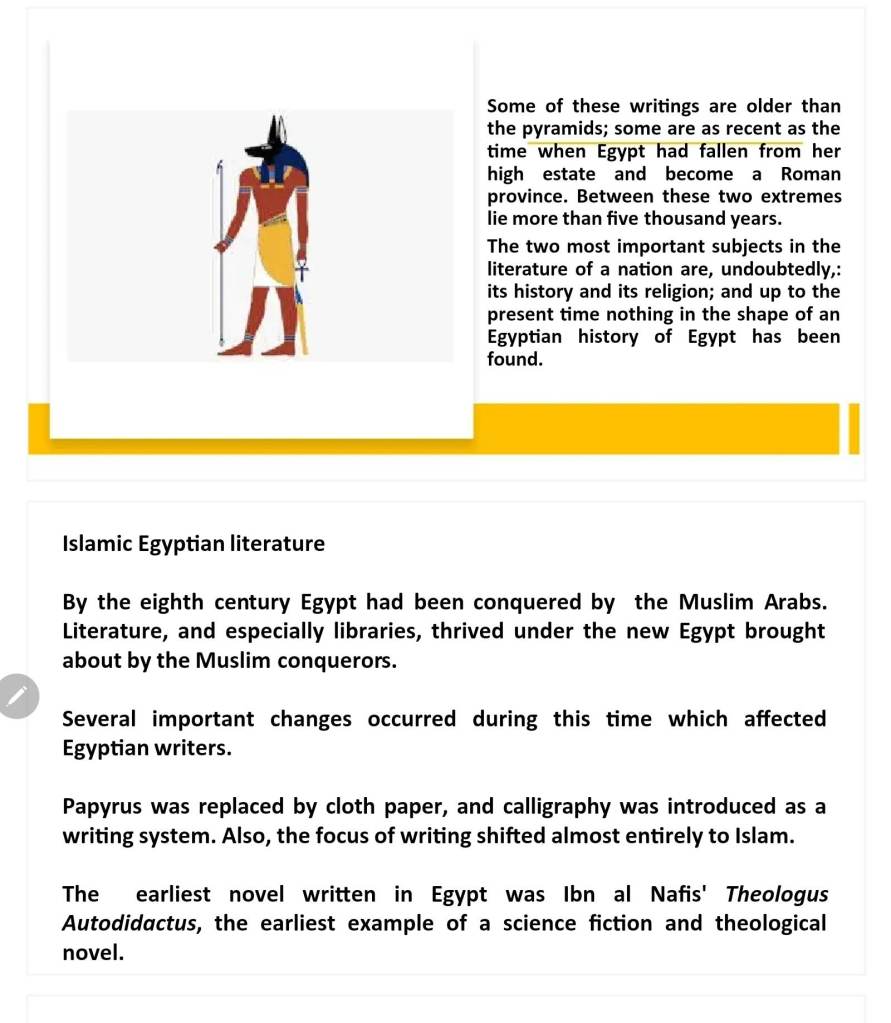
Ancient Egyptian literature, which is one of the world’s earliest, is an an important component of Ancient Egypt’s great civilization, and a representation of the peoples’ life, culture, and beliefs. Ancient Egyptian Literature comprises a wide array of narrative and poetic forms including inscriptions on tombs, stele, obelisks, and temples; myths, stories, and legends; religious writings; philosophical works; wisdom literature; autobiographies; biographies; histories; poetry; hymns; personal essays; letters and court records.

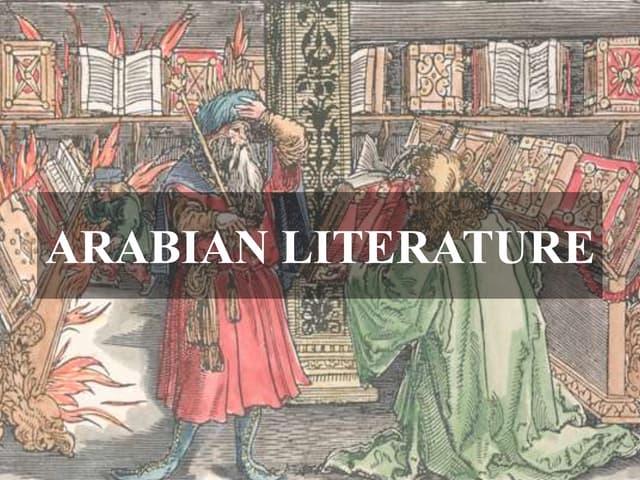
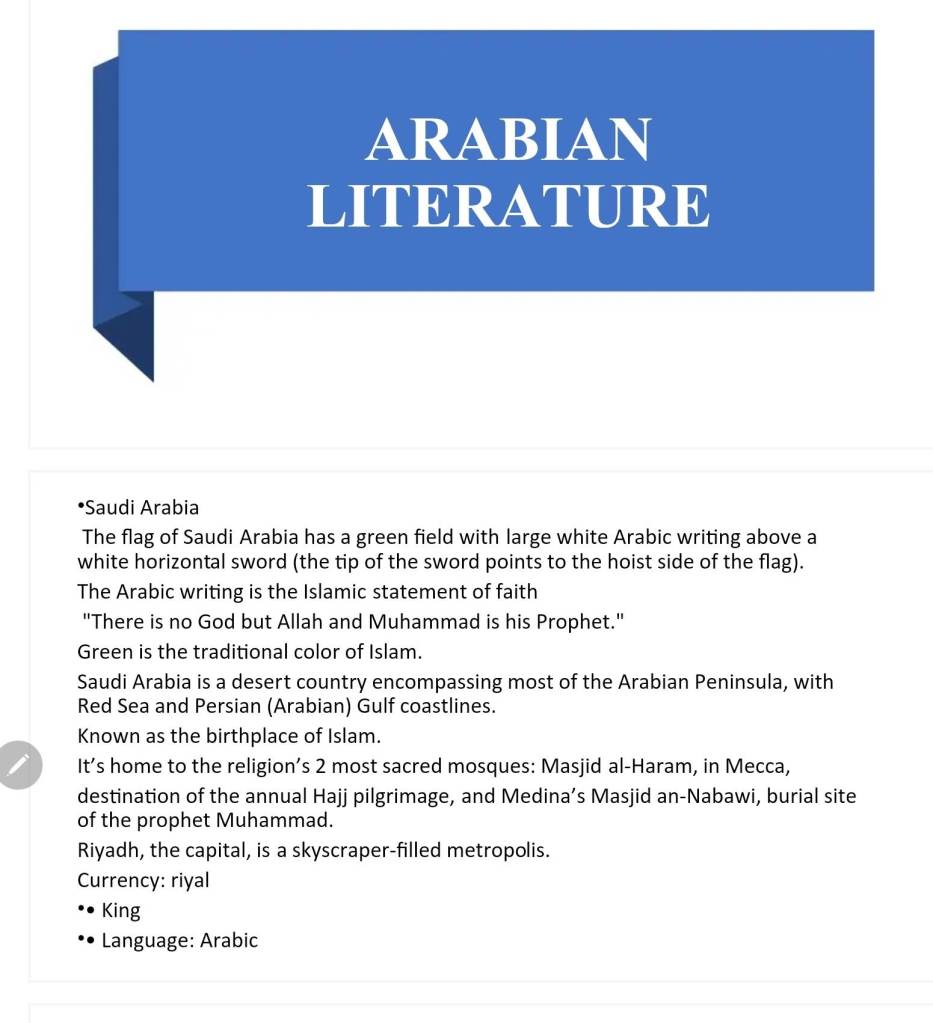
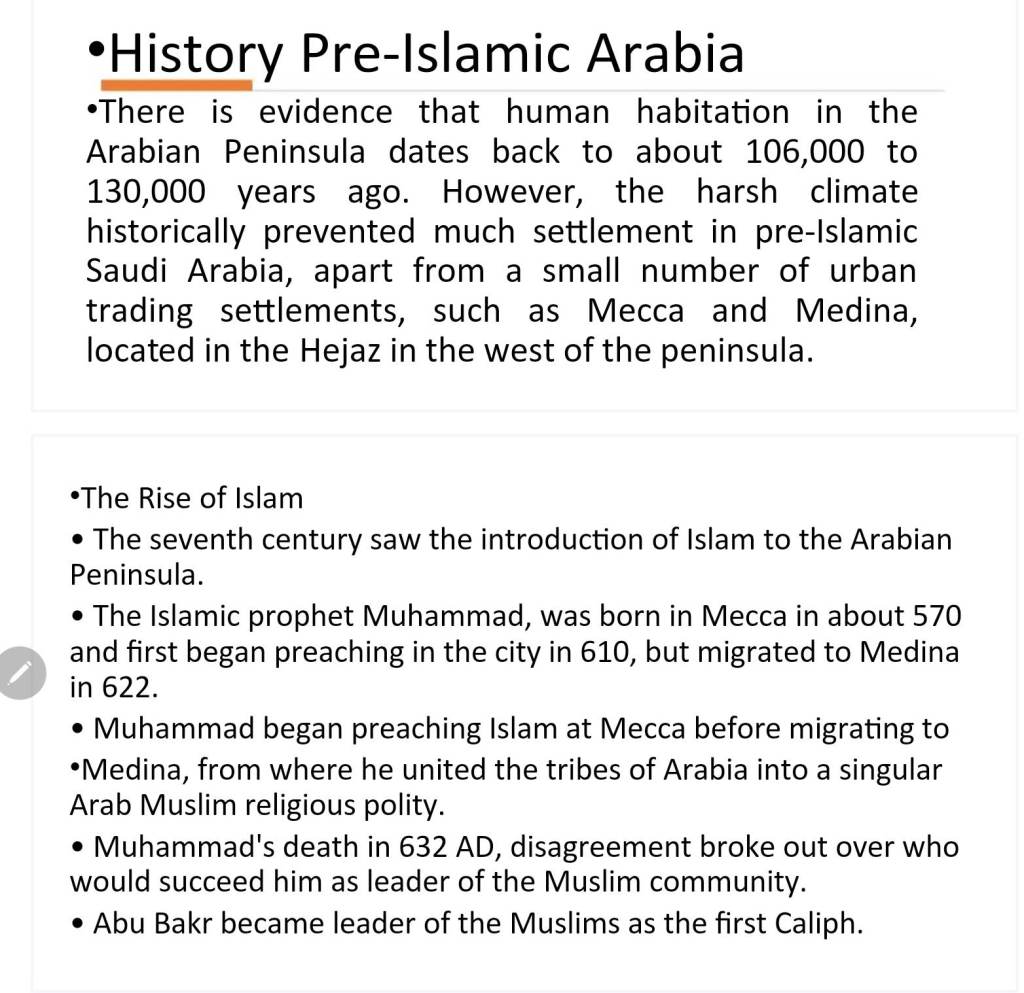
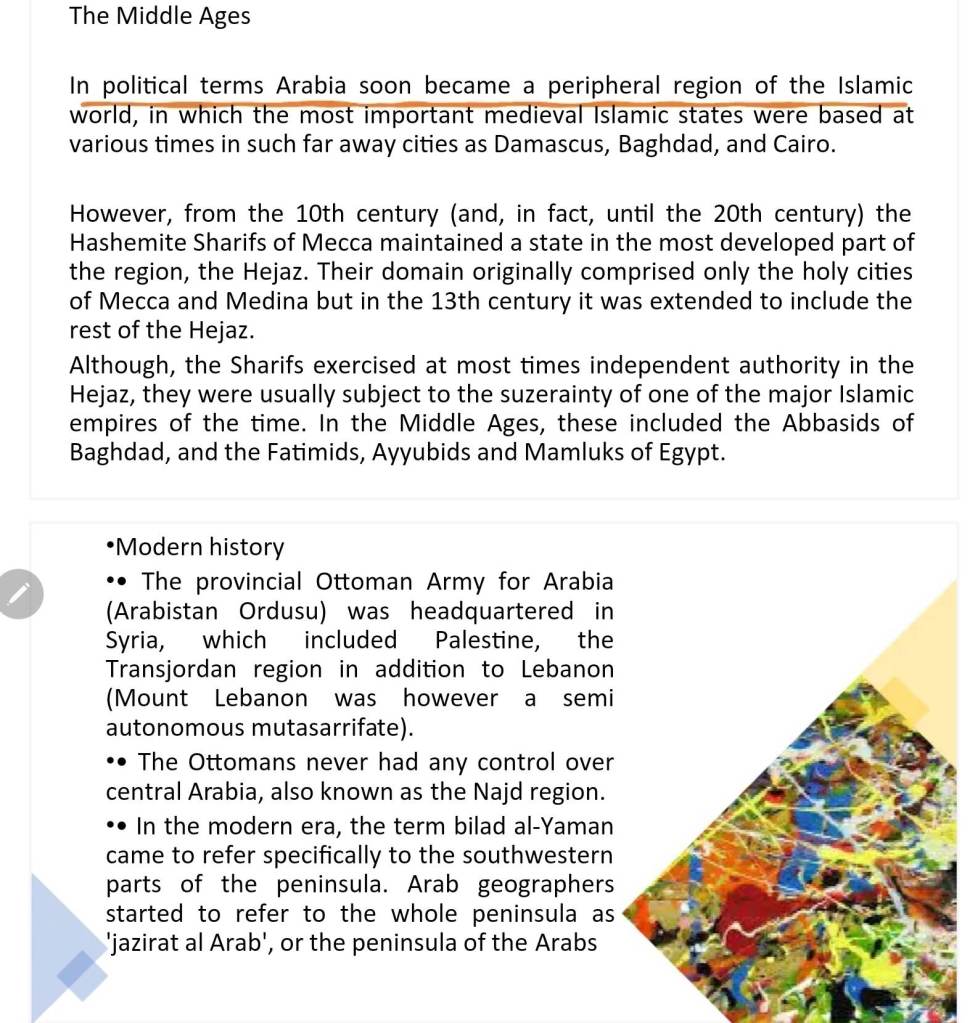
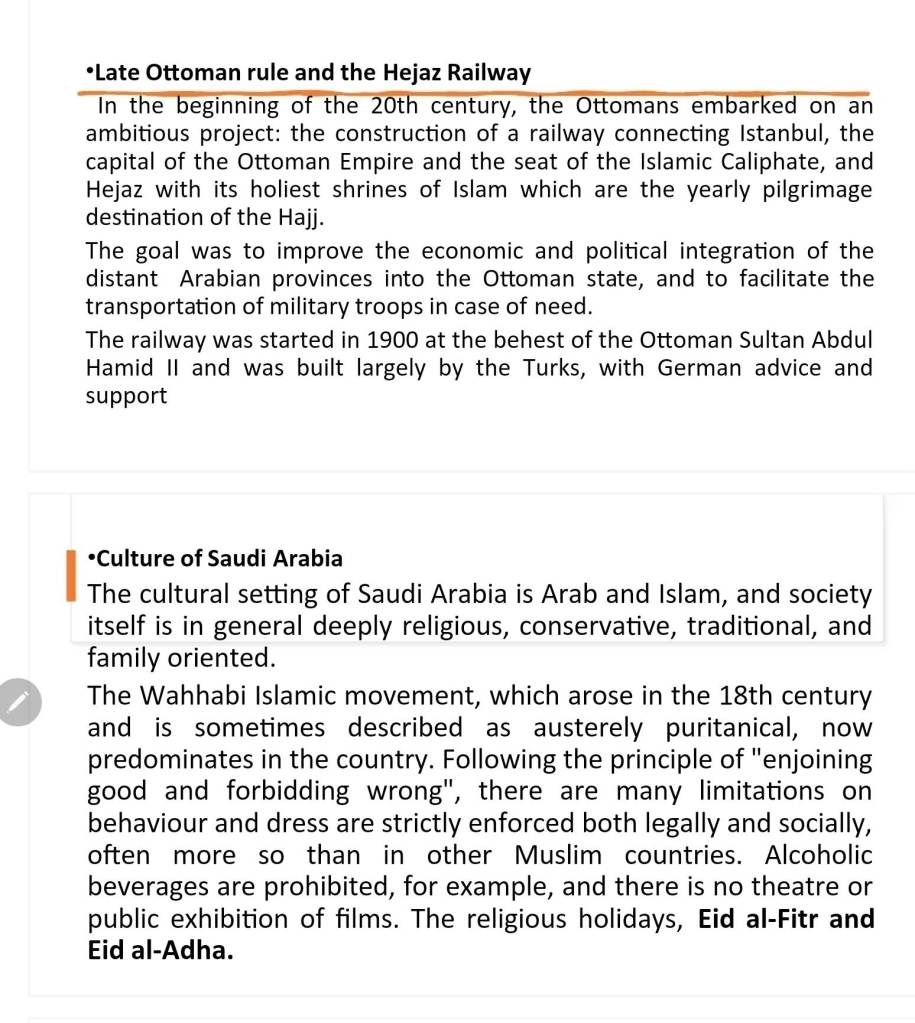
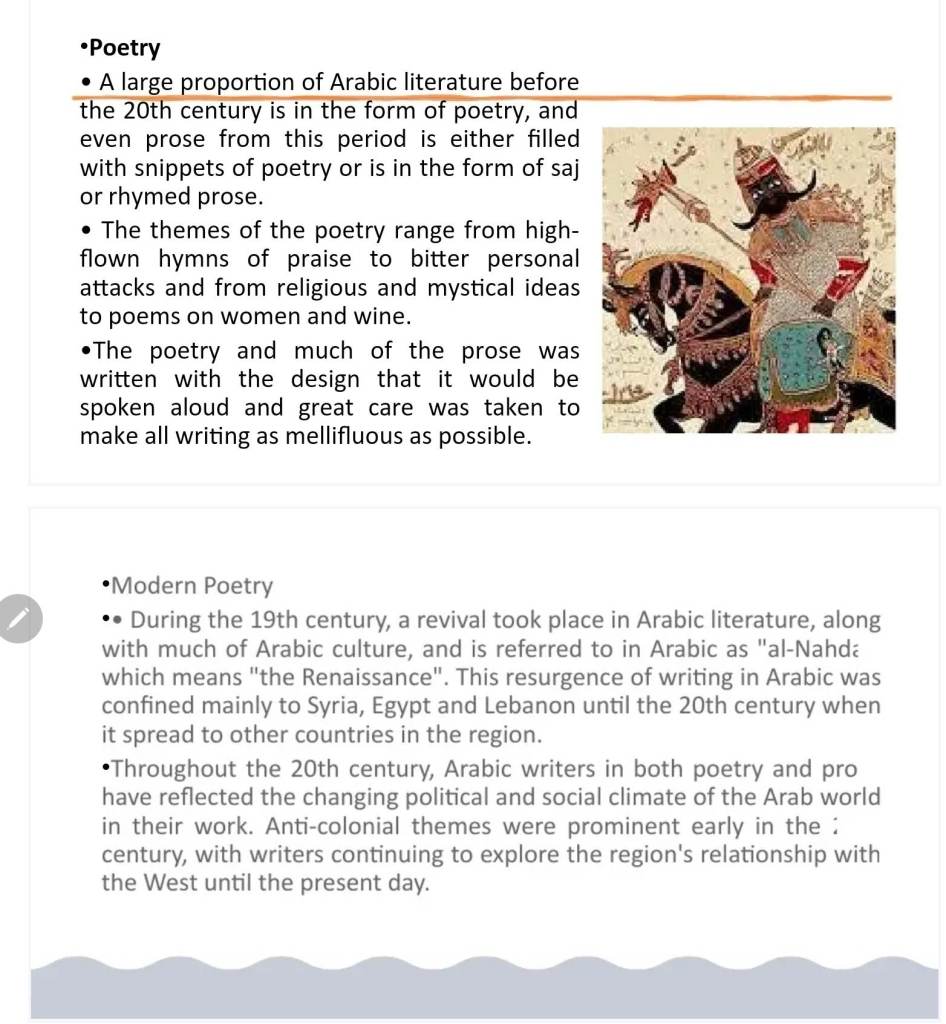
Arabic literature is the writing, both as prose and poetry, produced by writers in the Arabic language. The Arabic word used for literature is Adab, which is derived from a meaning of etiquette, and which implies politeness, culture and enrichment. Literary criticism in Arabic literature often focused on religious texts, and the several long religious traditions of hermeneutics and textual exegesis have had a profound influence on the study of secular texts. The most essential point about Arabic literature is that it stems directly from the Holy Qur’an—pre-Islamic poetry notwithstanding. Apart from some 1st century AD graffiti (which hardly counts as literature), we have no evidence of writings in Arabic before the time of the Prophet Muhammad.

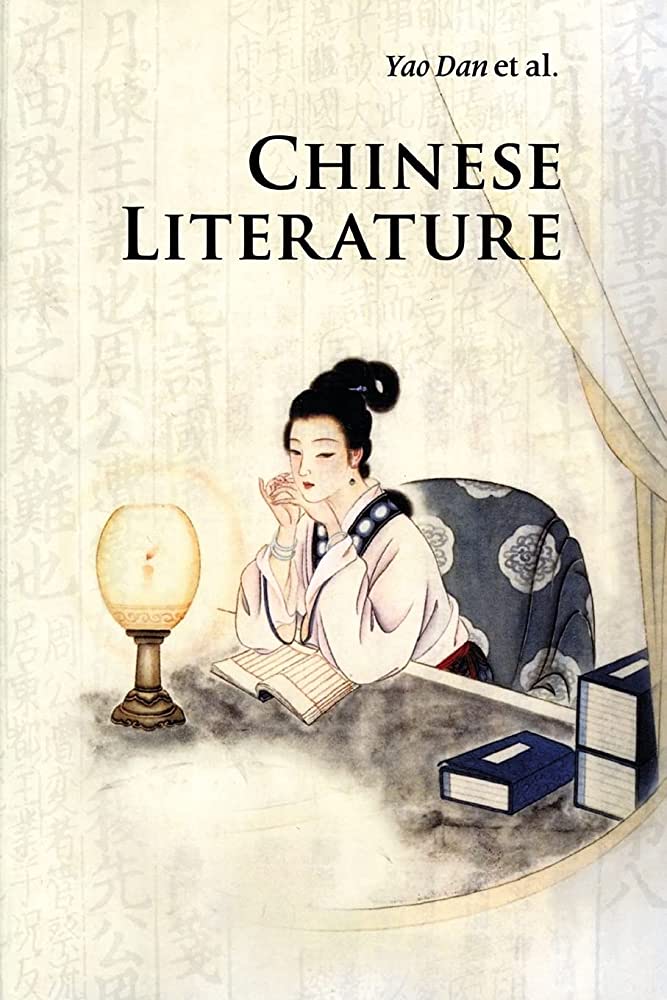
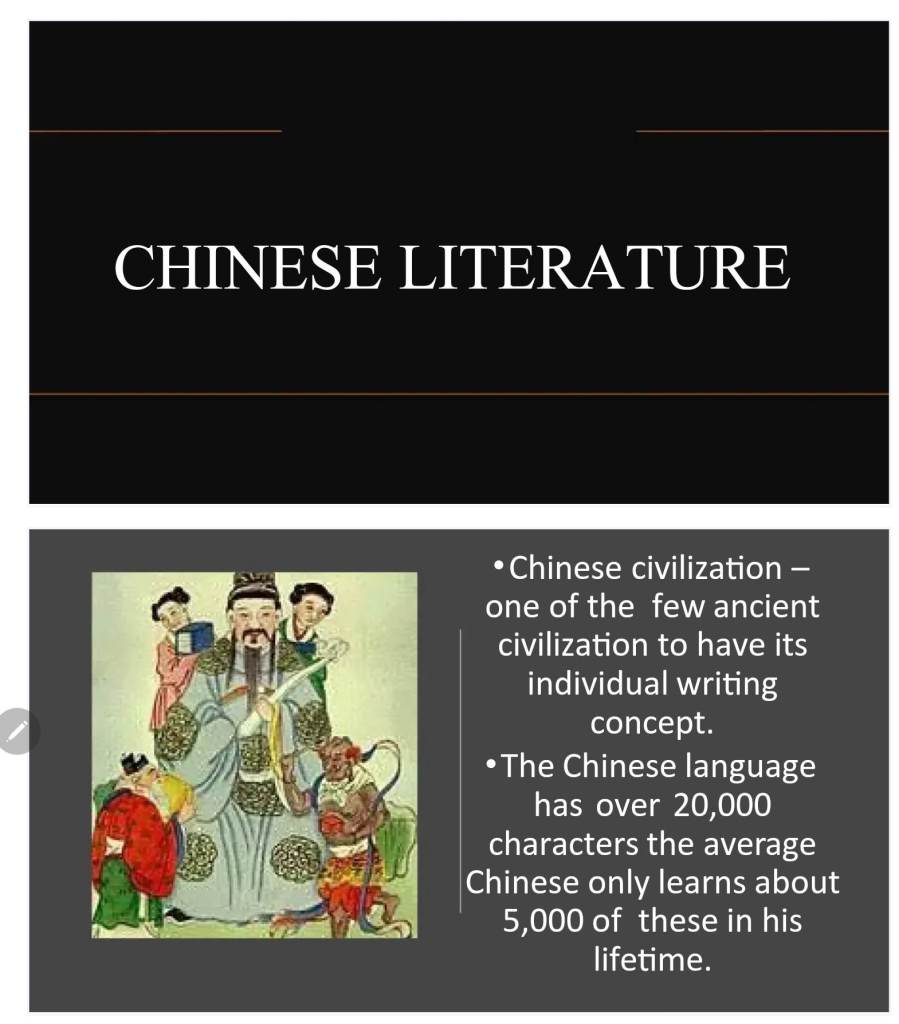
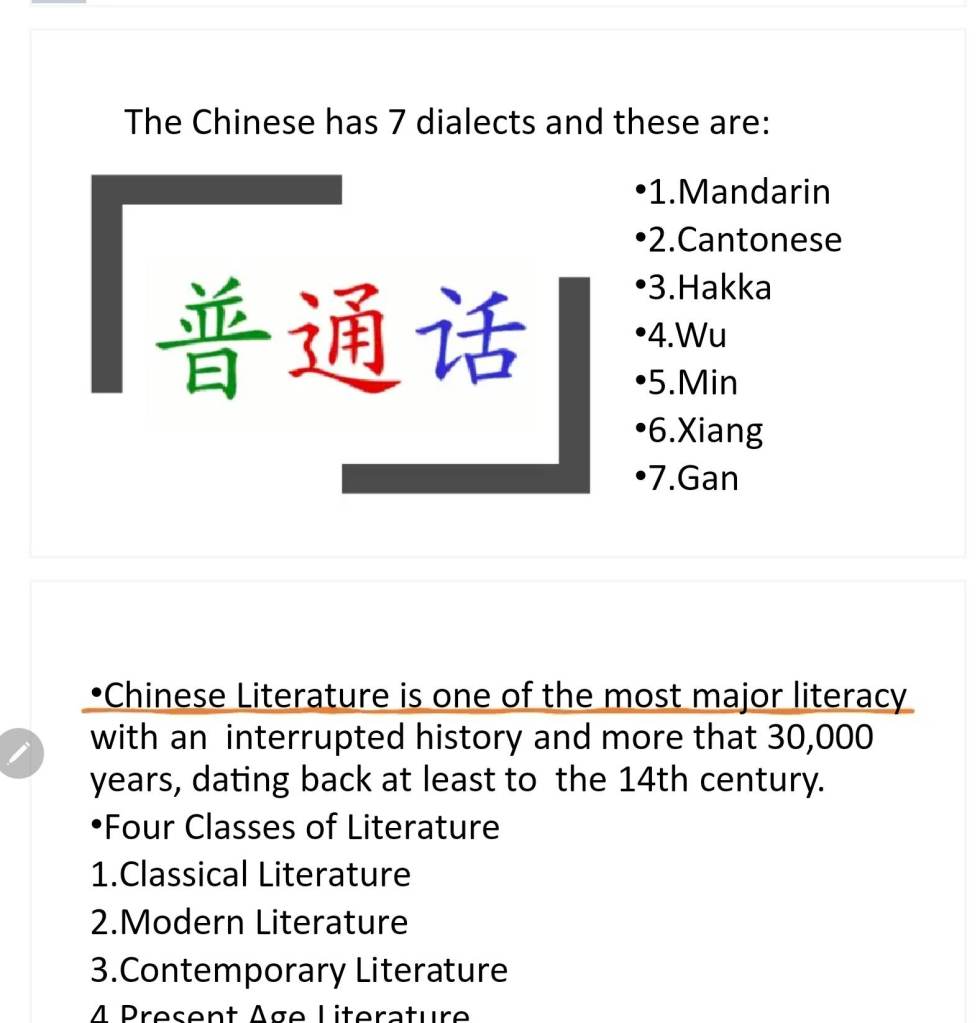
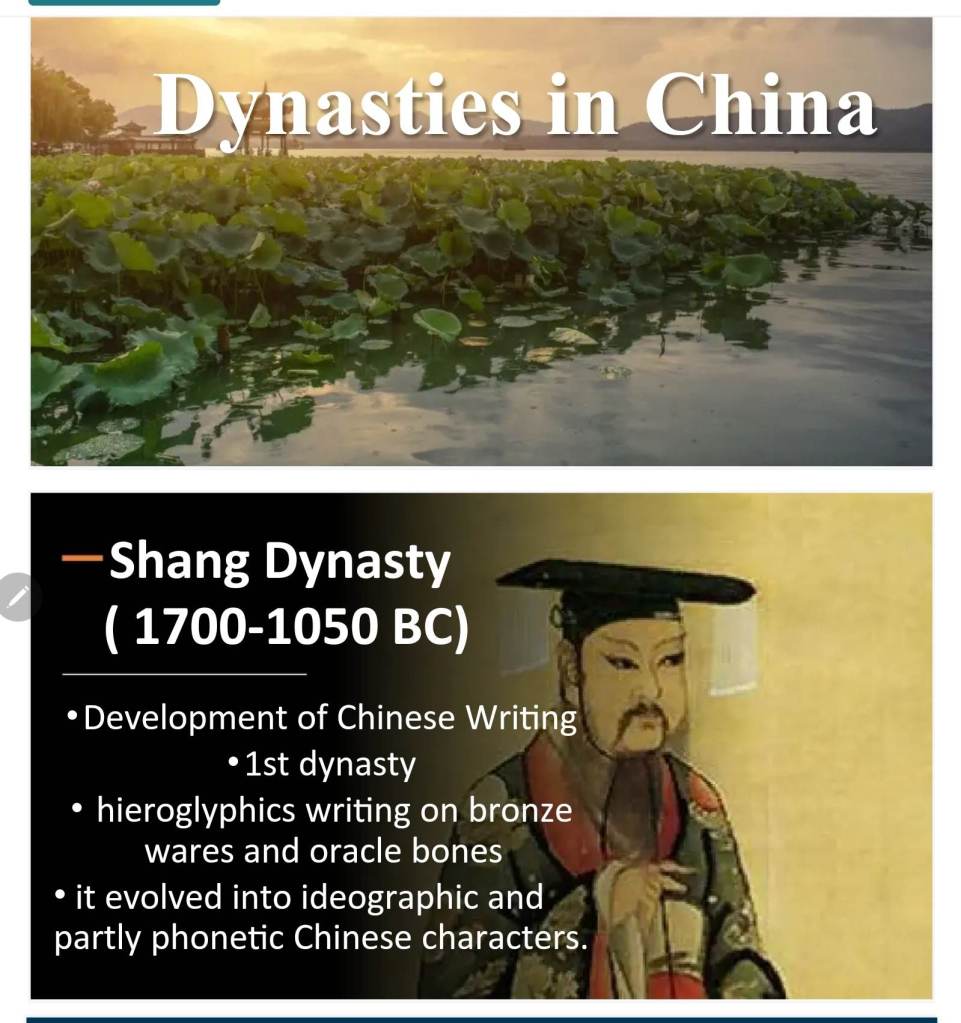
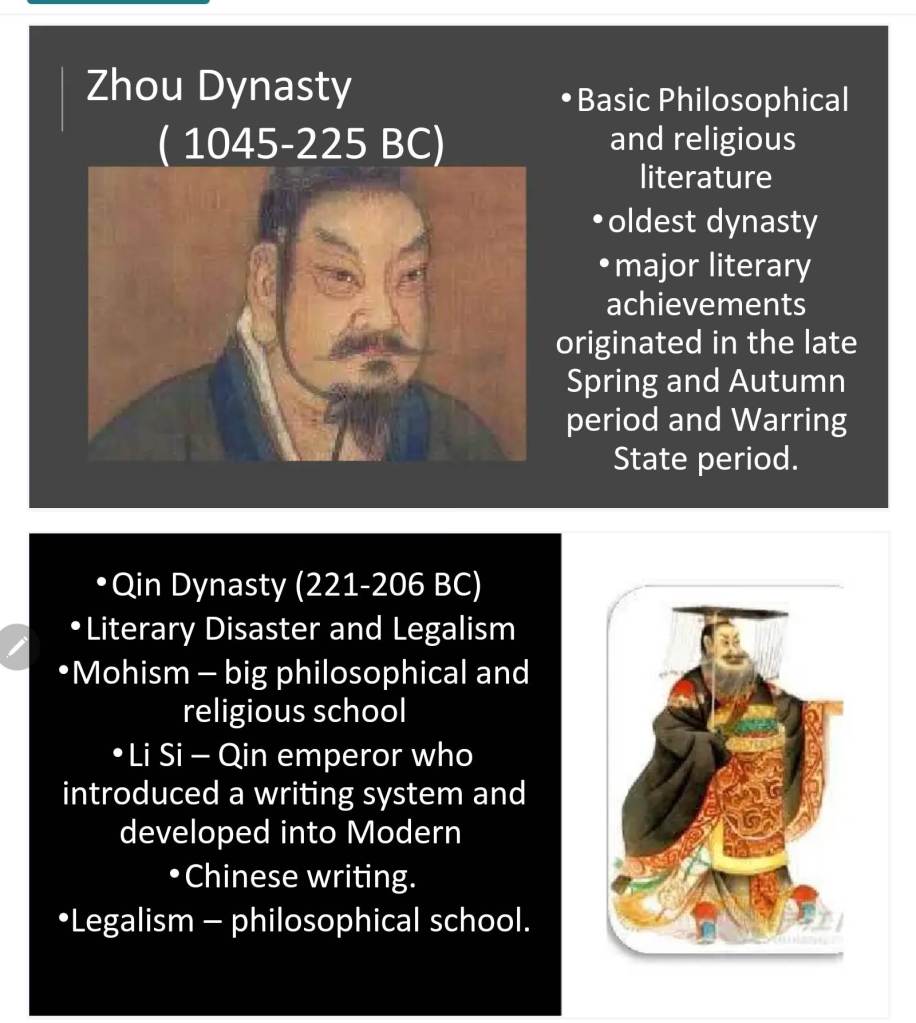
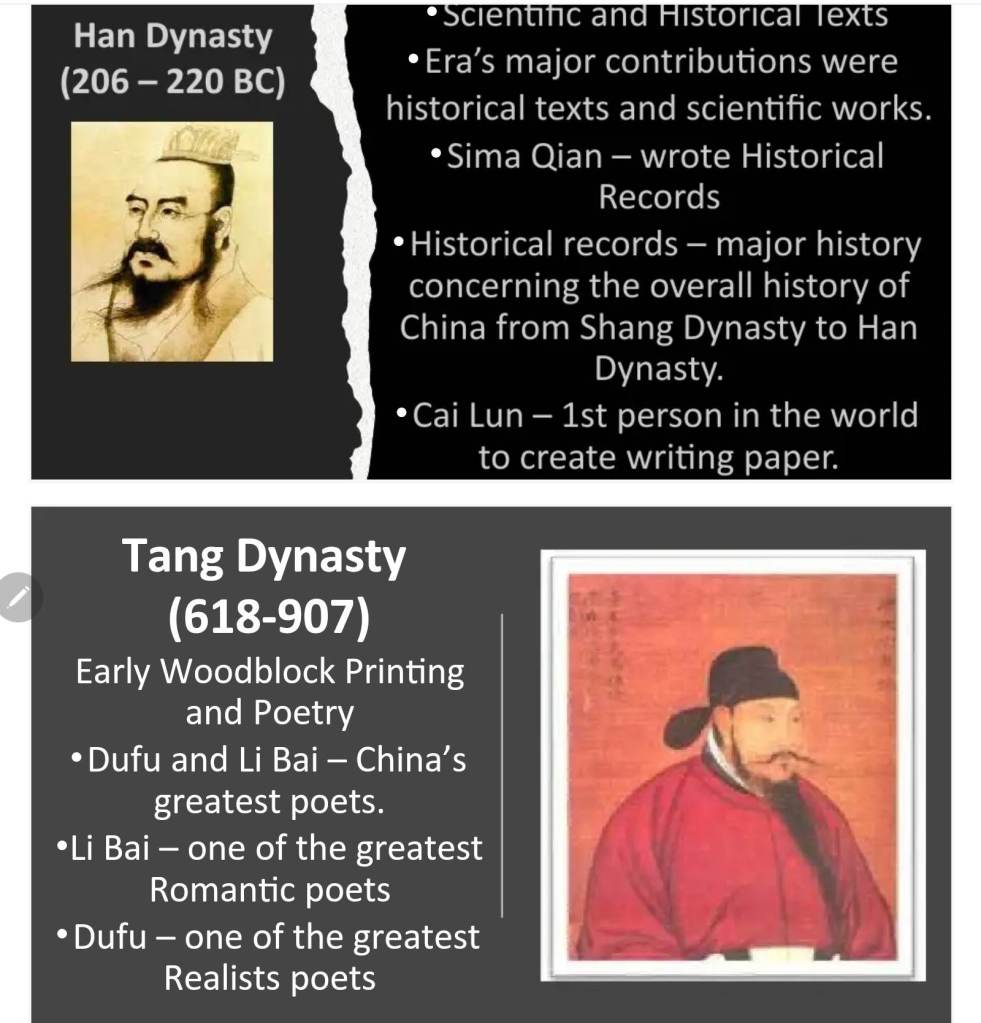
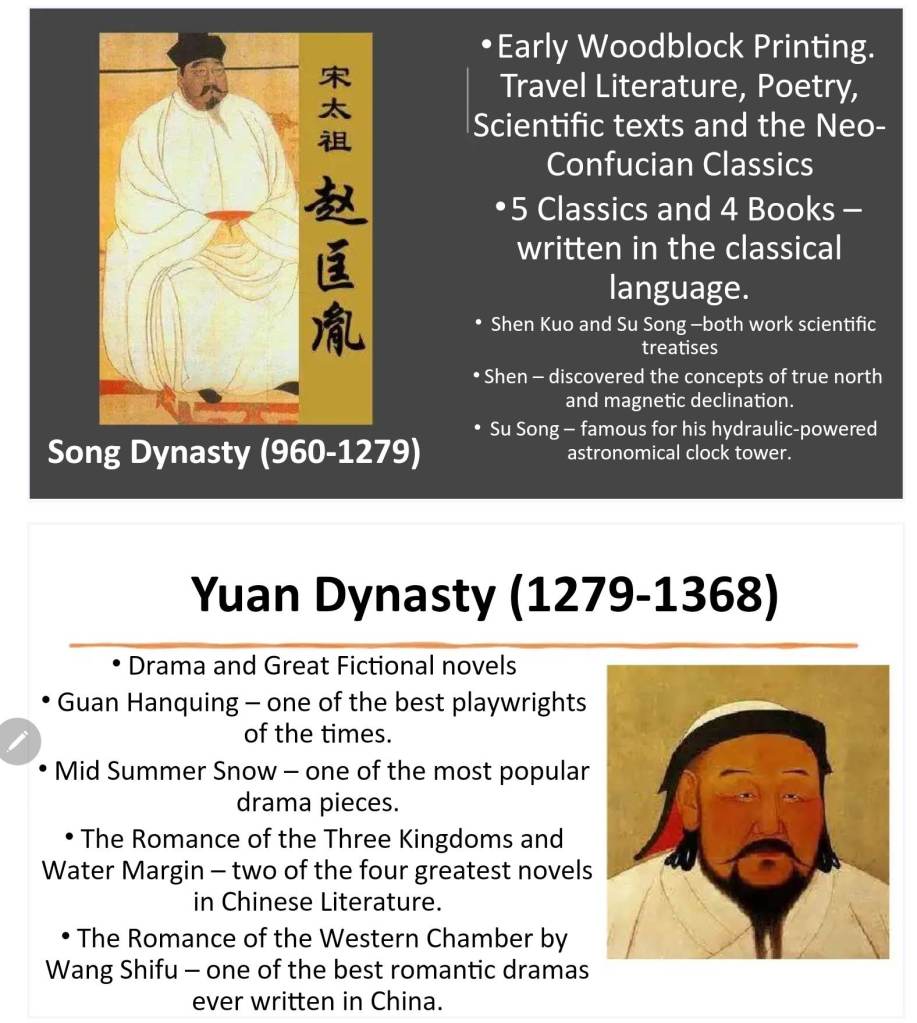
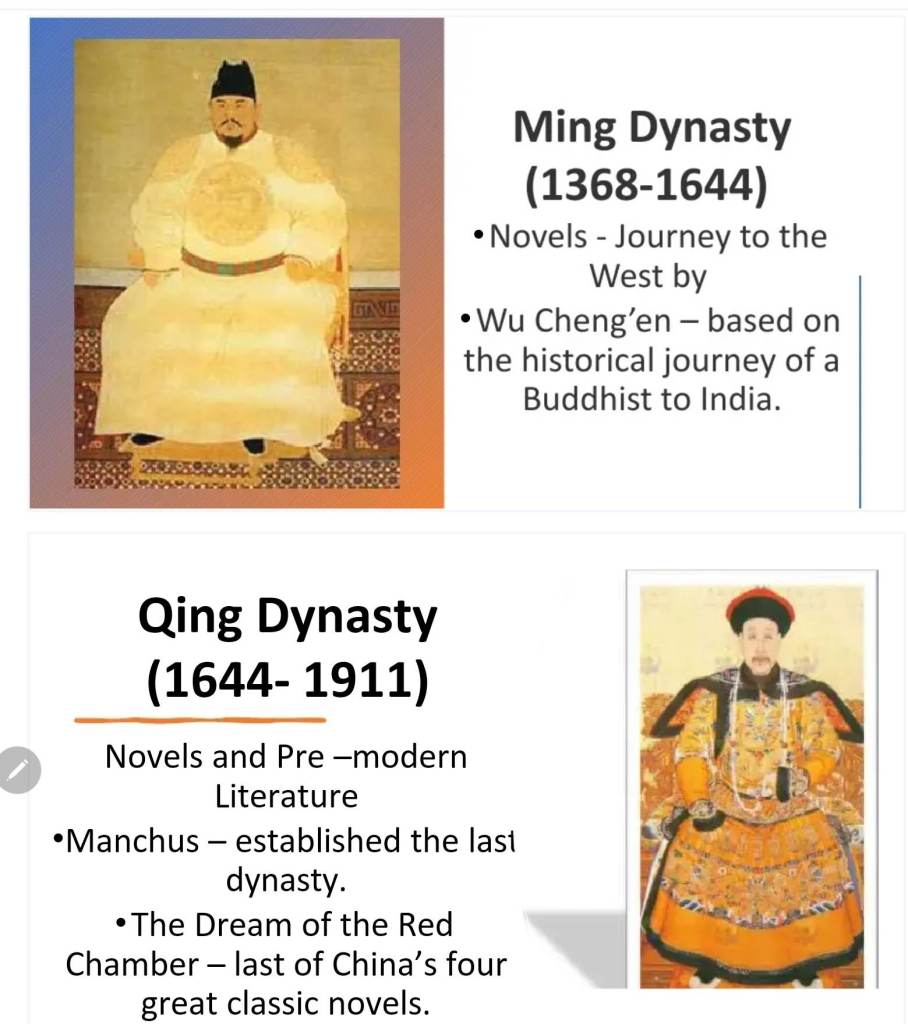
The history of Chinese literature extends thousands of years, from the earliest recorded dynastic court archives to the mature vernacular fiction novels that arose during the Ming dynasty to entertain the masses of literate Chinese. Chinese literary works include fiction, philosophical and religious works, poetry, and scientific writings. The dynastic eras frame the history of Chinese literature and are examined one by one. The grammar of the written Classical Language is different than the spoken languages of the past two thousand years. The most well-known forms of Chinese literature are classical Chinese poetry, especially that of the Tang Dynasty, the Four Great Classical Novels of the Ming and Qing, and the works of modern writers like Lu Xun. China’s Four Great Classical Novels, among which is the Three Kingdoms, are famous throughout Asia.
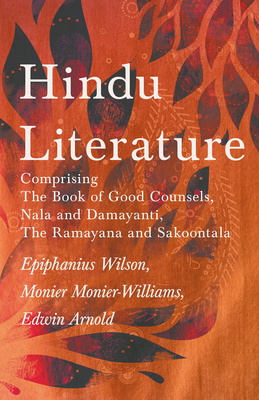
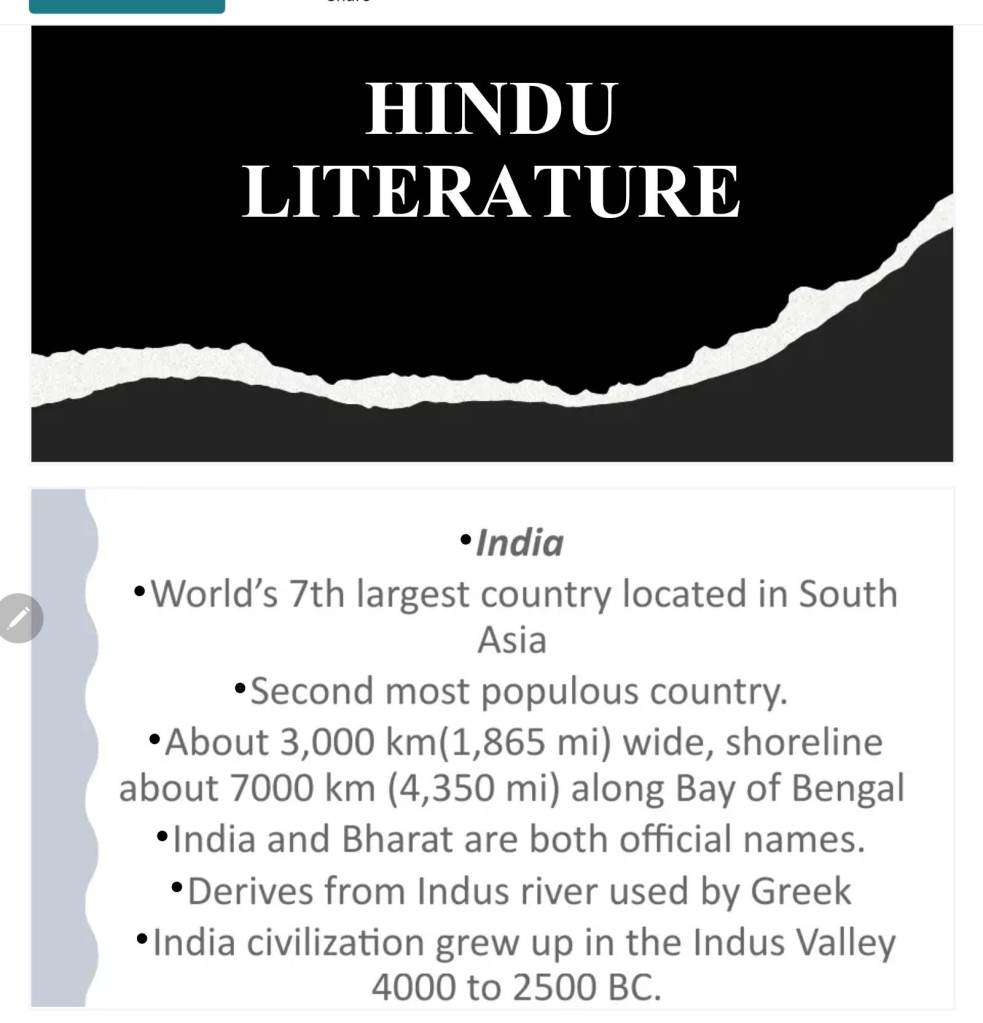
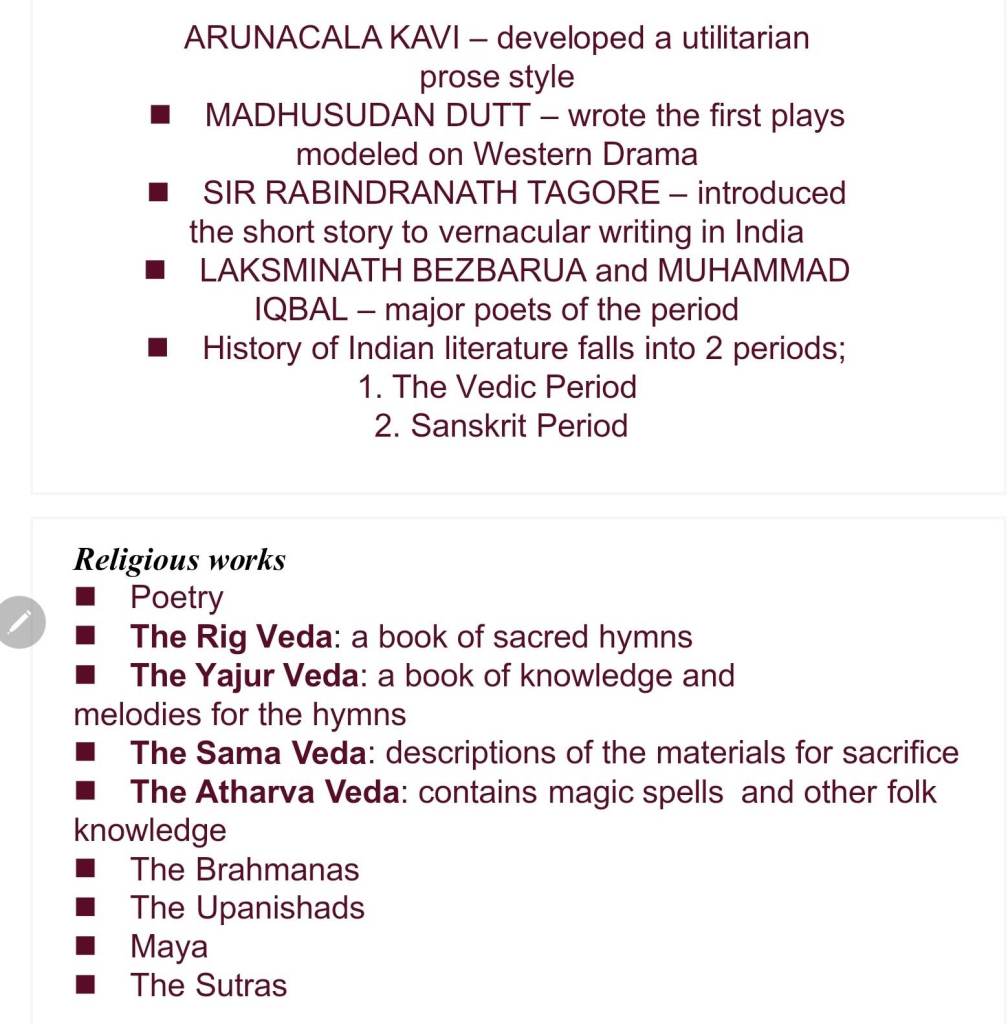
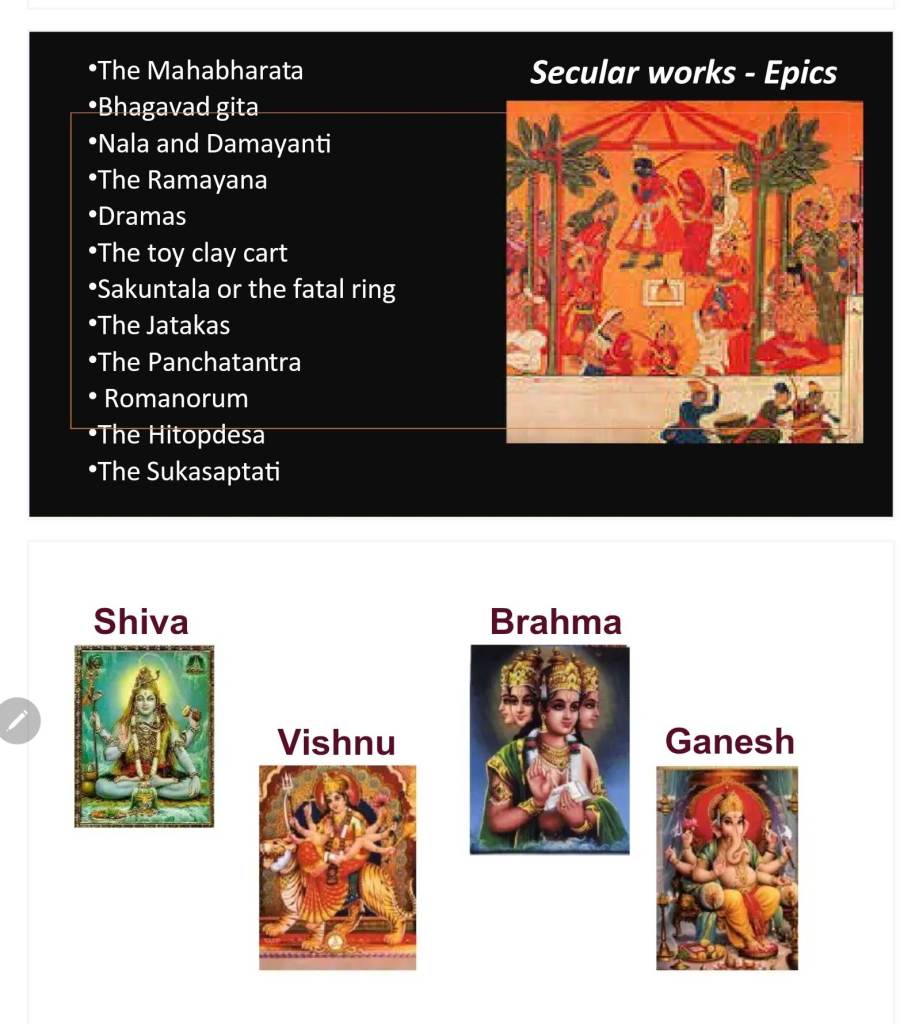
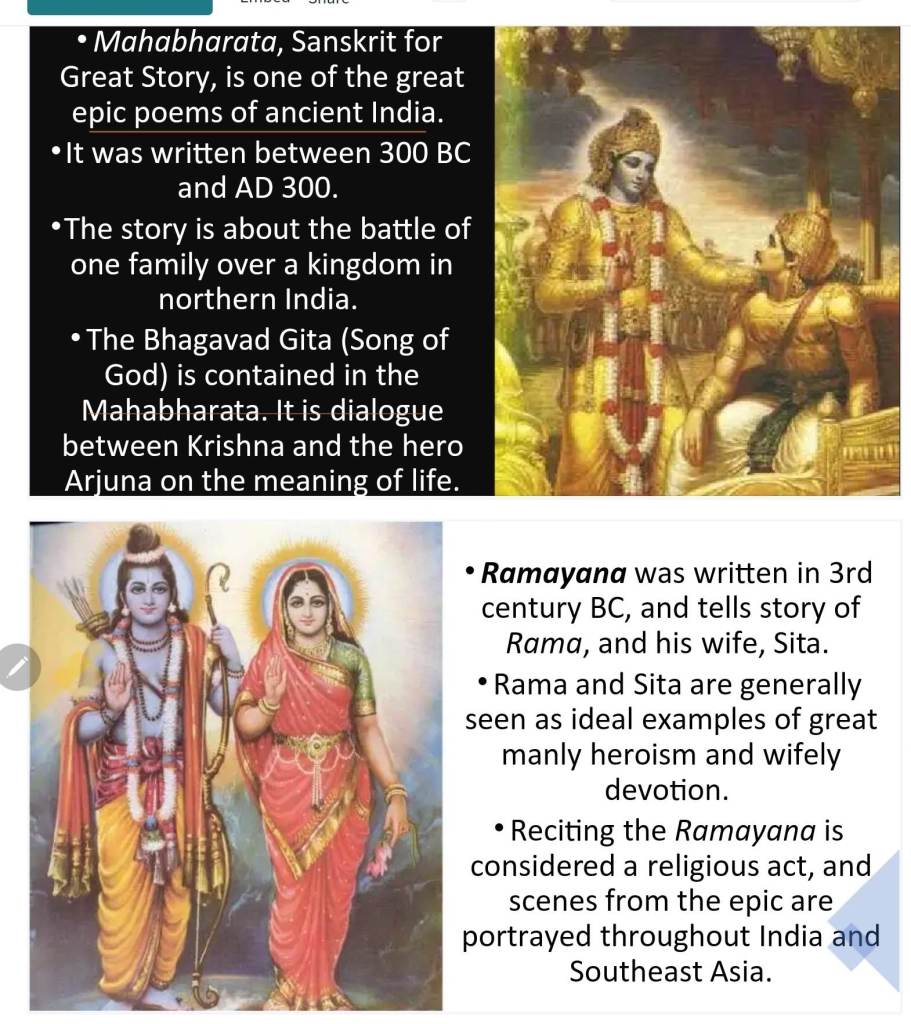
Hindu literature ranges from abstract philosophical texts such as the Brahmanas and the Upaniṣads, through epic poems including the Mahābhārata and the Rāmāyaṇa, to the popular stories known as Purāṇas glorifying individual deities. Among the most important are two epics, the Mahabharata and the Ramayana; the Bhagavad Gita, a text inserted into the Mahabharata that focuses on the god Krishna; and the Dharamasastras; consisting of the manuals concerning dharma and aphorism on dharma. A Hindu views the entire universe as God’s and everything in the universe as God. Hindus believe that each person is intrinsically divine and the purpose of life is to seek and realise the divinity within all of us. The Hindu belief is totally non-exclusive and accepts all other faiths and religious paths.


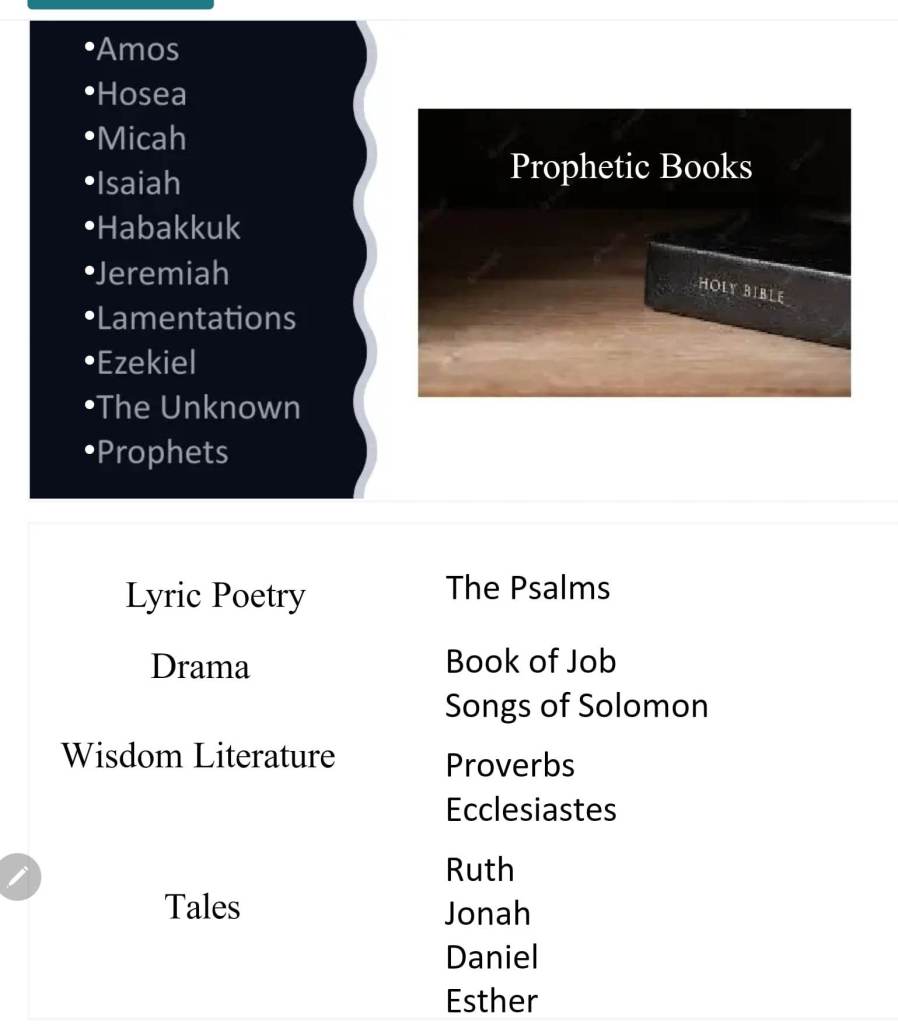
Hebrew literature consists of ancient, medieval, and modern writings in the Hebrew language. It is one of the primary forms of Jewish literature. In its essence, Hebrew literature is historical, national, deed-based narrative prose. In other words, it is narrative prose that is based on an understanding of time as the flow of history, of man as part of a nation, and of reality as a series of actions rather than a constellation of objects in space. Hebrew is the language of the Bible, which is both a religious and cultural foundation of incalculable influence and – especially read in the original language – one of the world’s most dazzling literary achievements. Learning Modern Hebrew is the simplest way into the Bible.

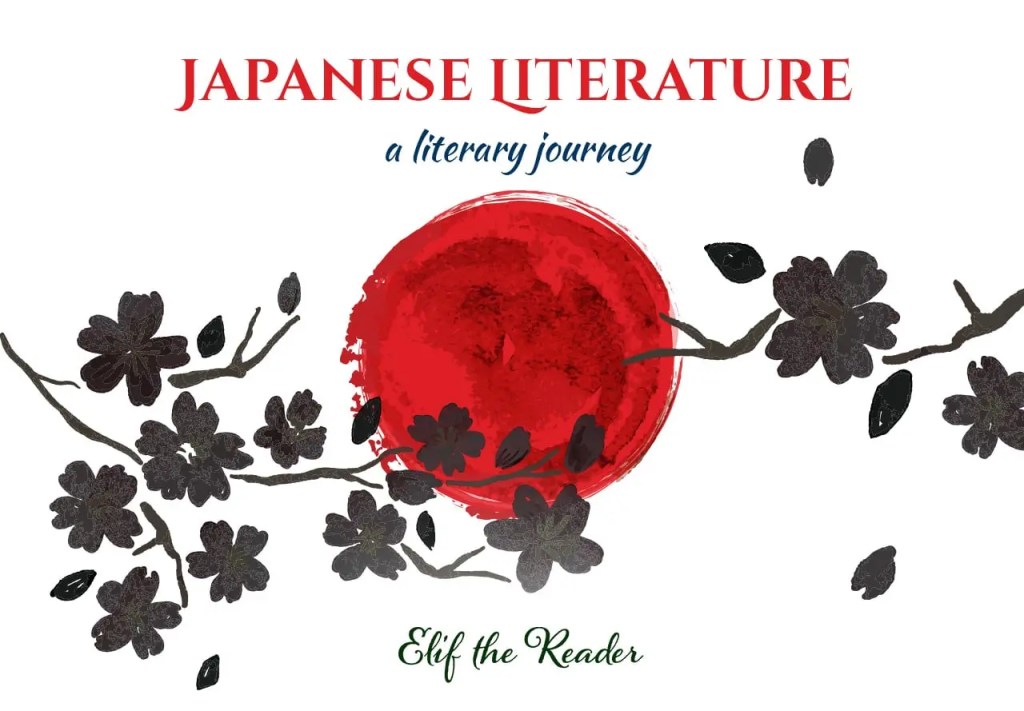
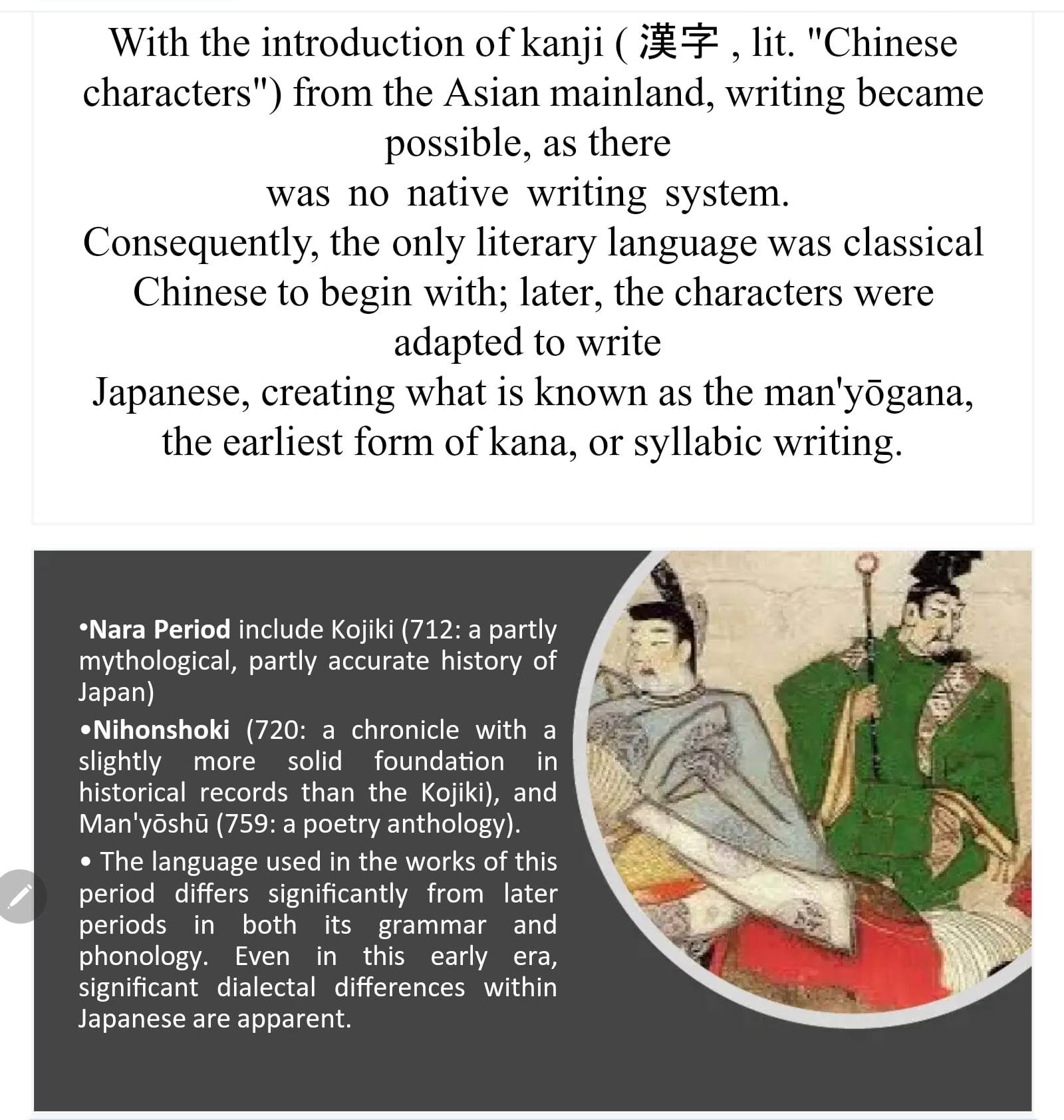
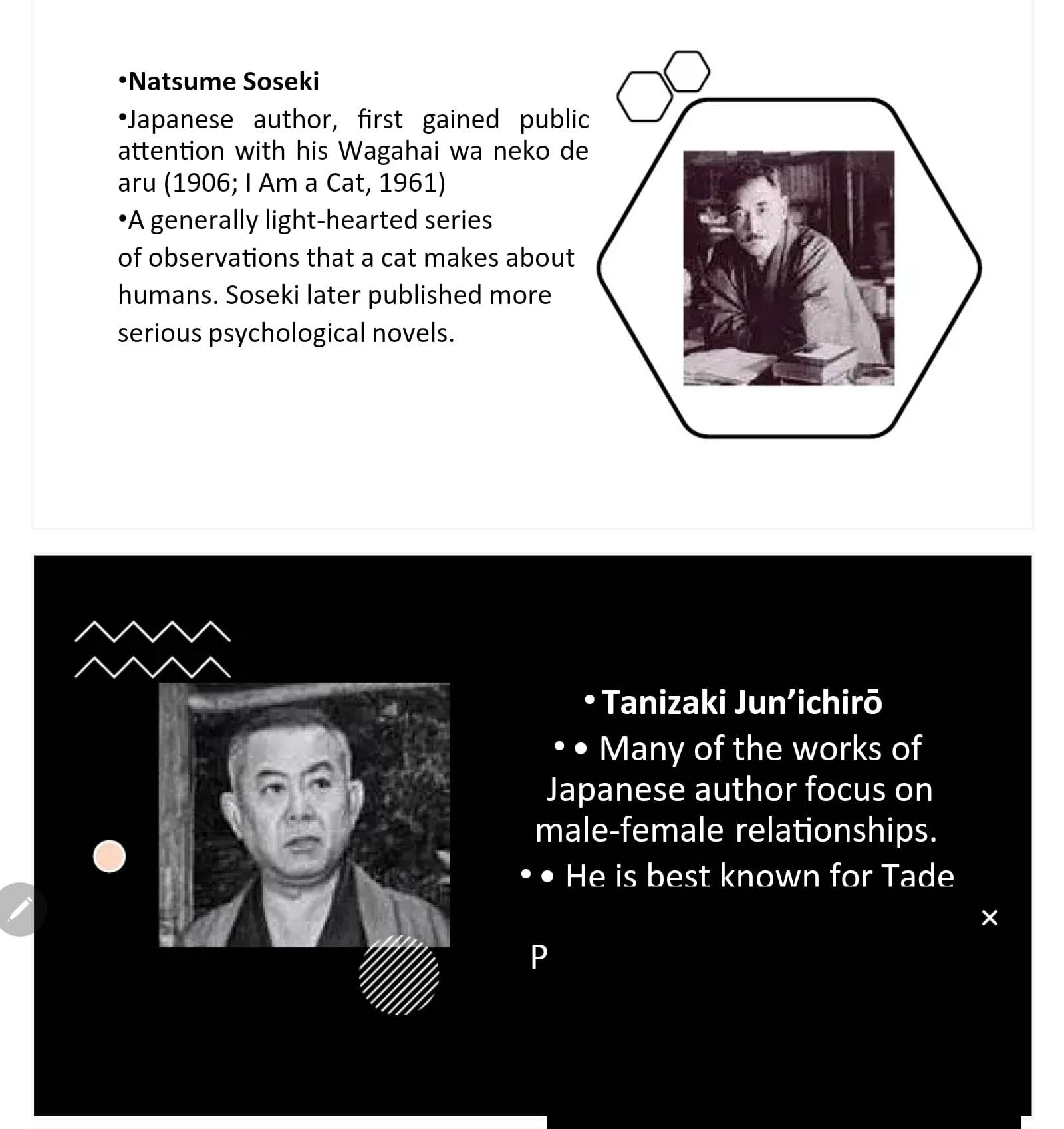
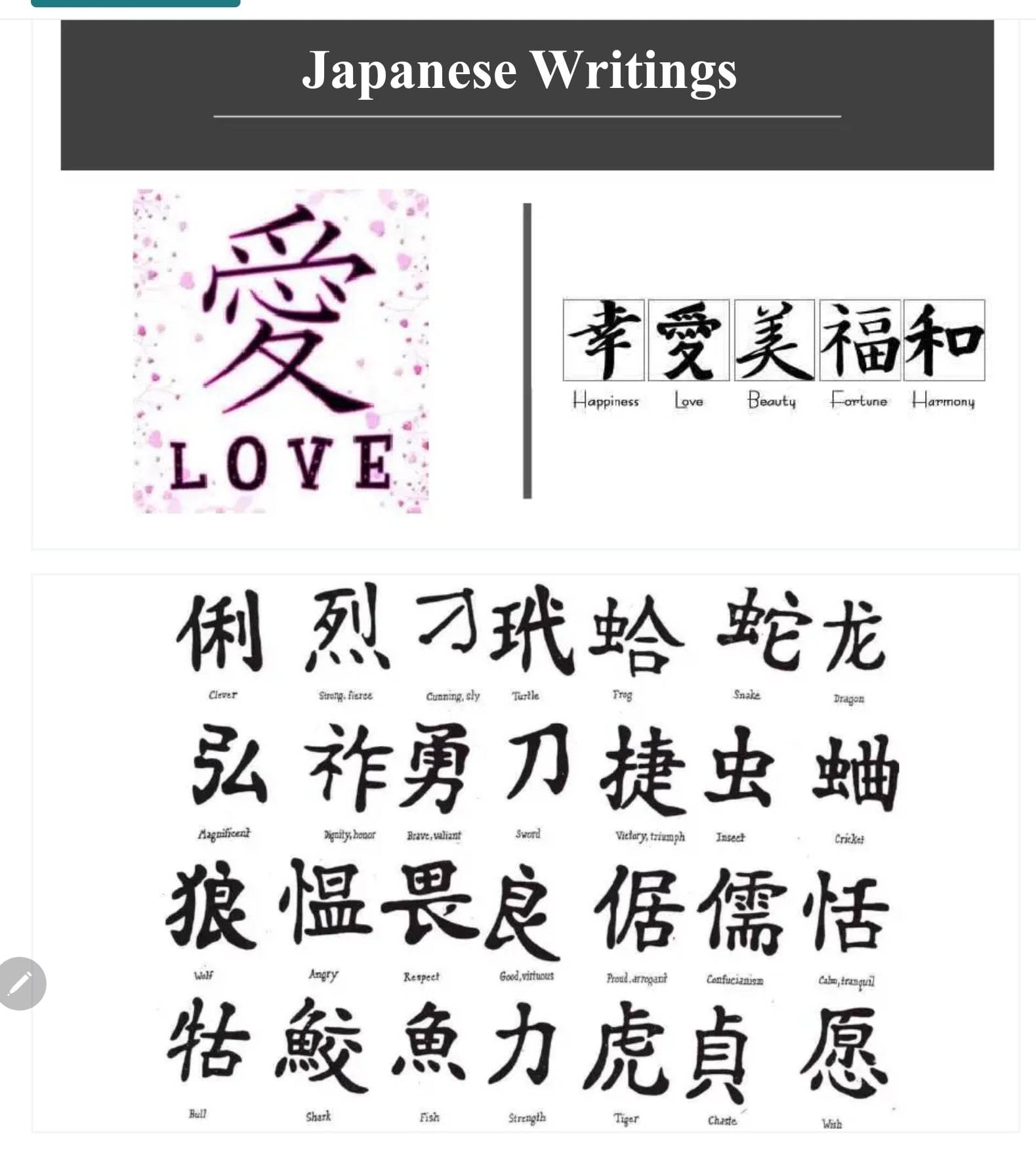
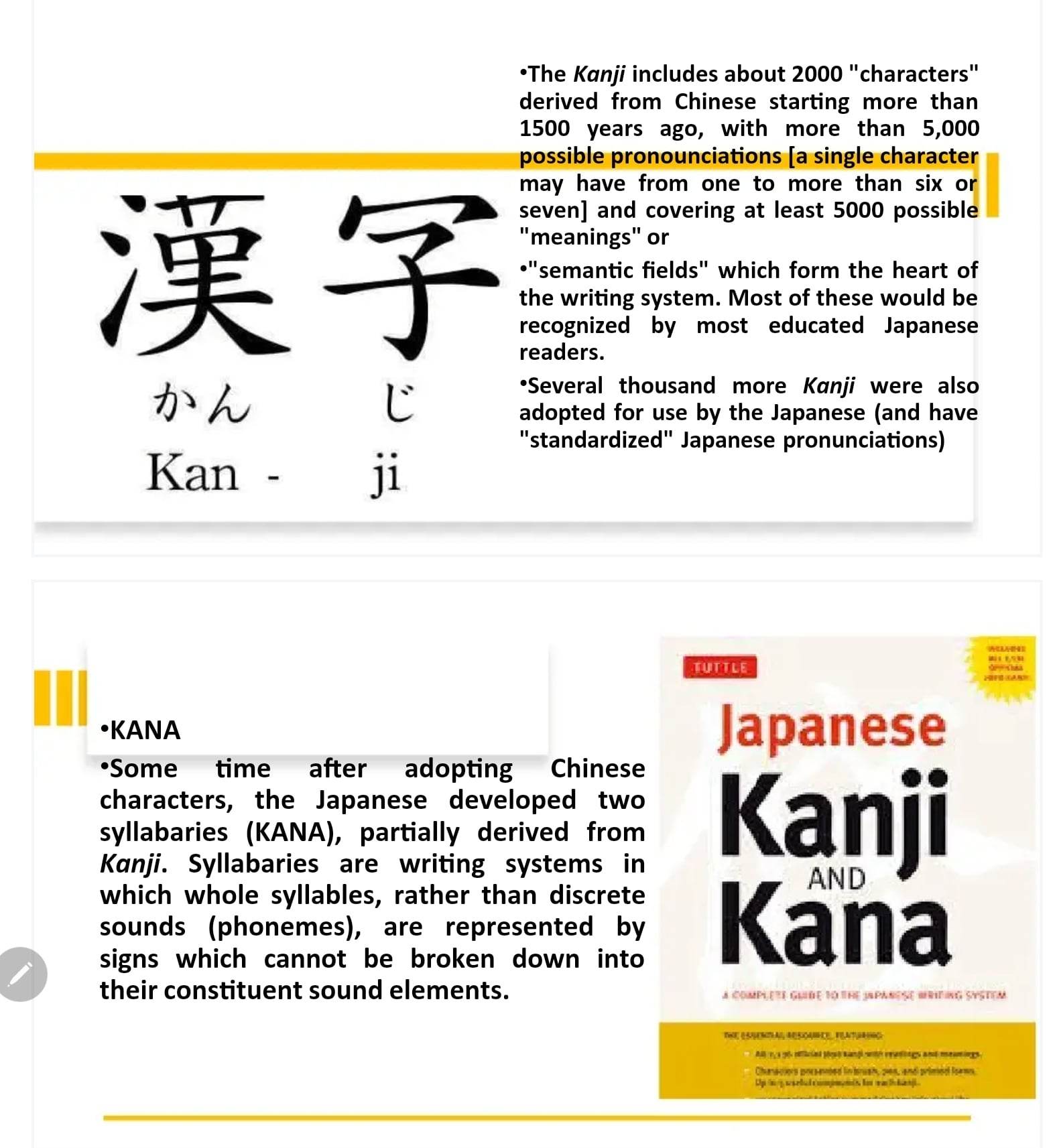
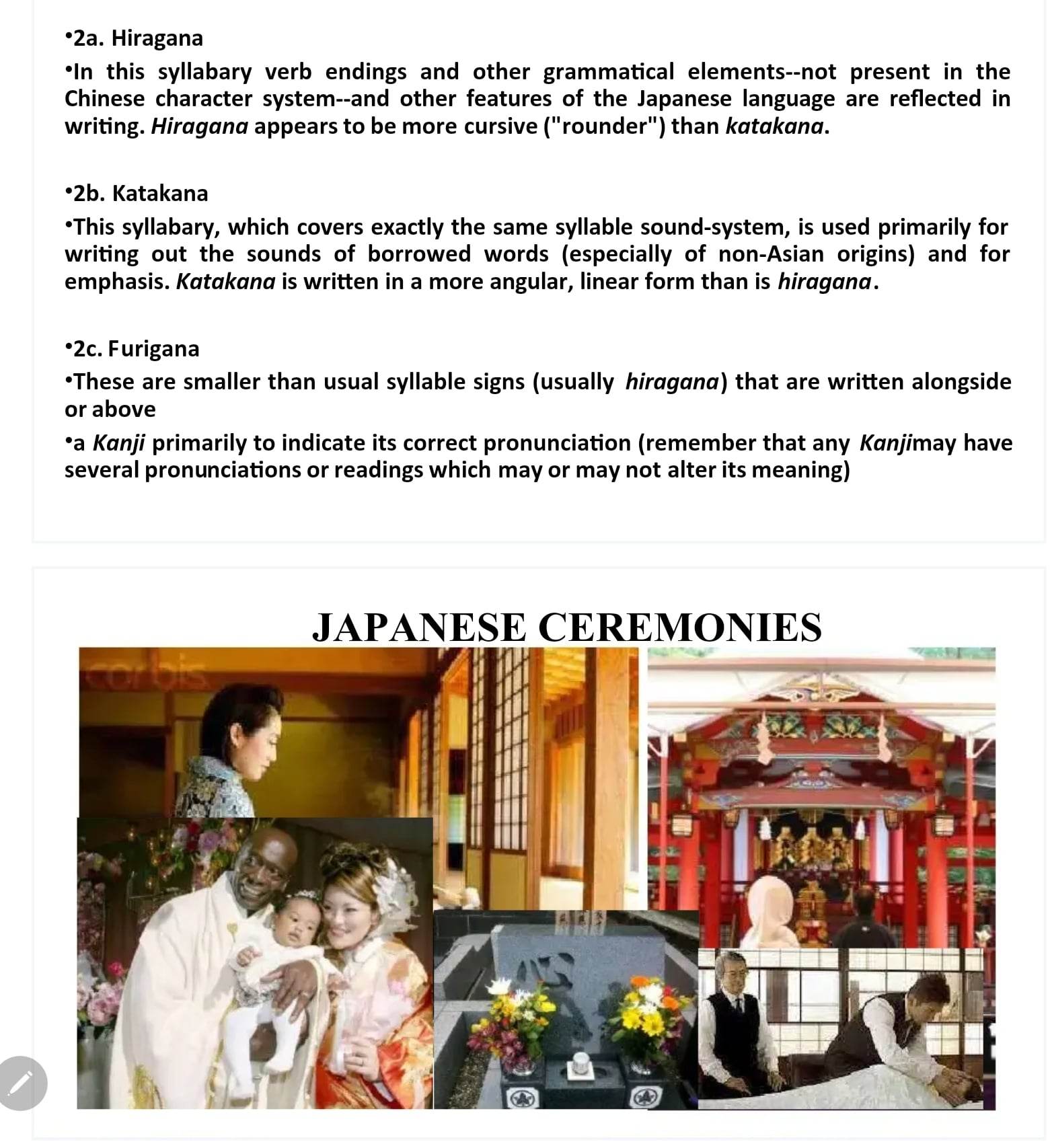
Japanese literature throughout most of its history has been influenced by cultural contact with neighboring Asian literatures, most notably China and its literature. Early texts were often written in pure Classical Chinese or lit. ‘Chinese writing’, a Chinese-Japanese creole language. Japanese literature has a long and illustrious history, with its most famous classic, The Tale of Genji, dating back to the 11th century. Often dark but full of humor, Japanese literature showcases the idiosyncrasies of such a culturally driven nation. In Japanese literature, a love story may not have such a clearly defined beginning or end, but might instead be a snippet of someone’s life or relationship. This is inspired by opposing views on narratives, time, and endings.

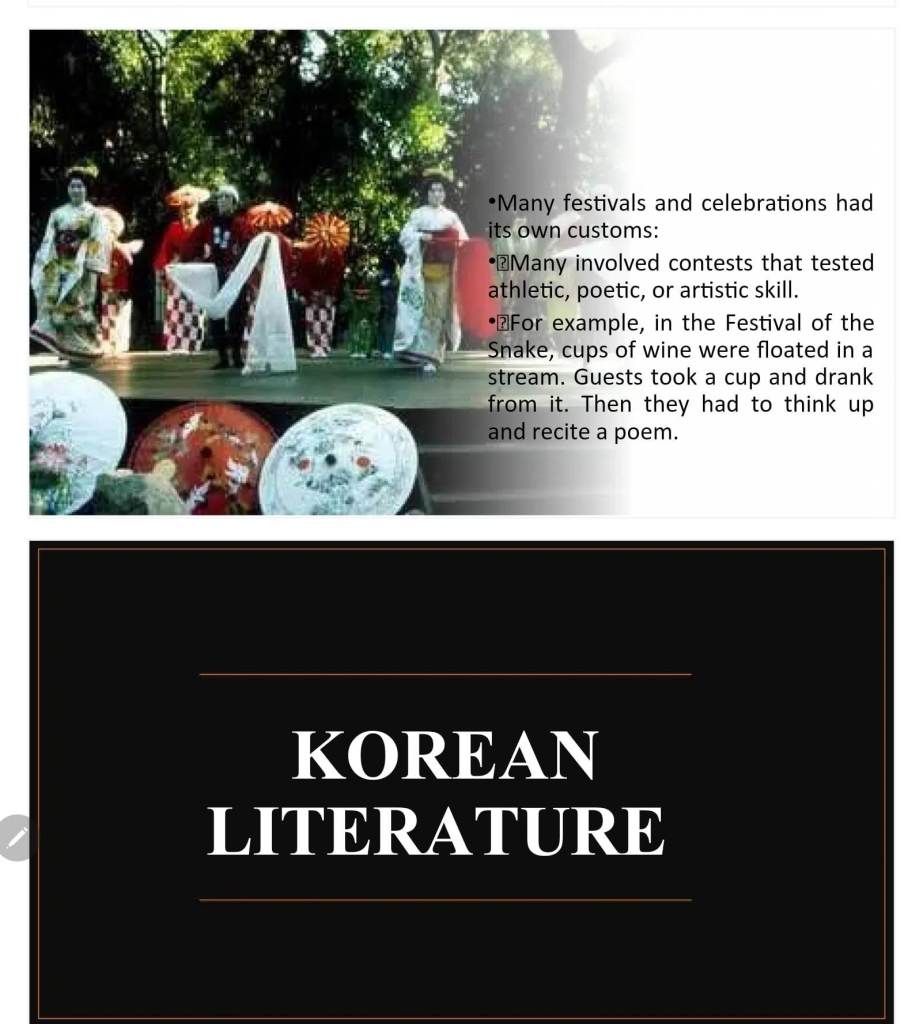
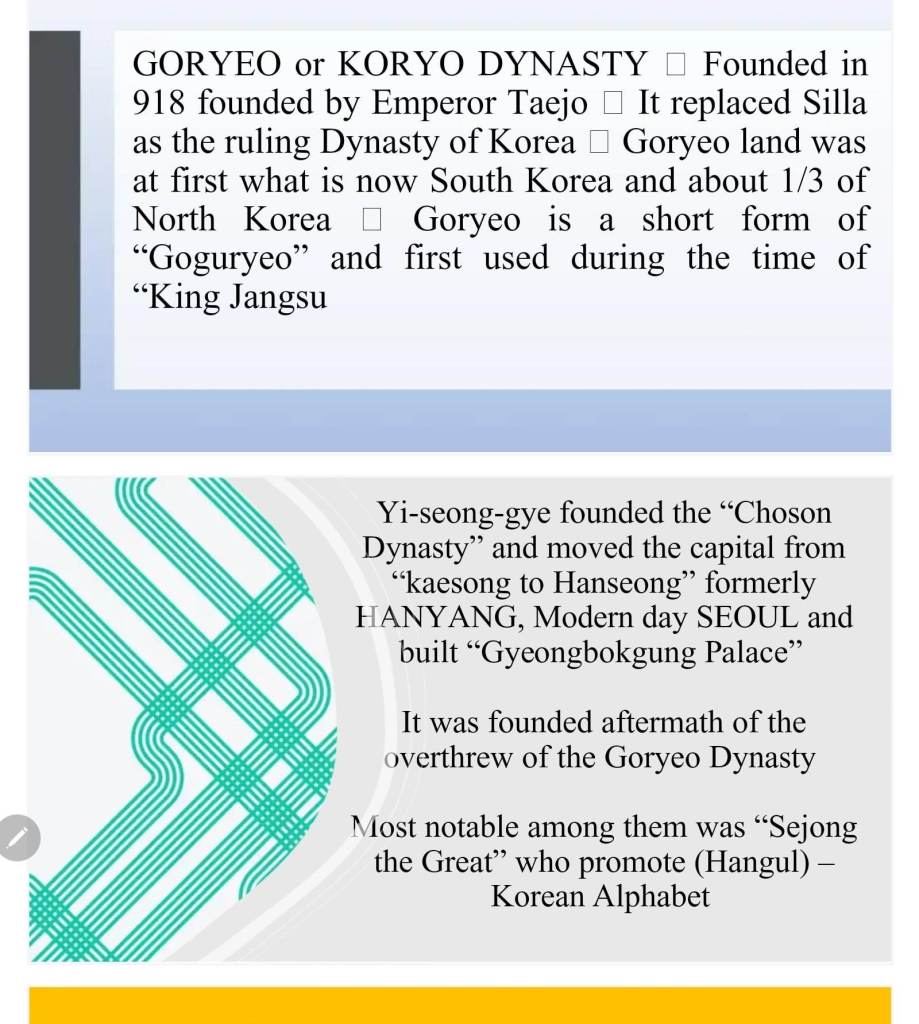
Korean literature is the body of literature produced by Koreans, mostly in the Korean language and sometimes in Classical Chinese. For much of Korea’s 1,500 years of literary history, it was written in Hanja. It is commonly divided into classical and modern periods, although this distinction is sometimes unclear.

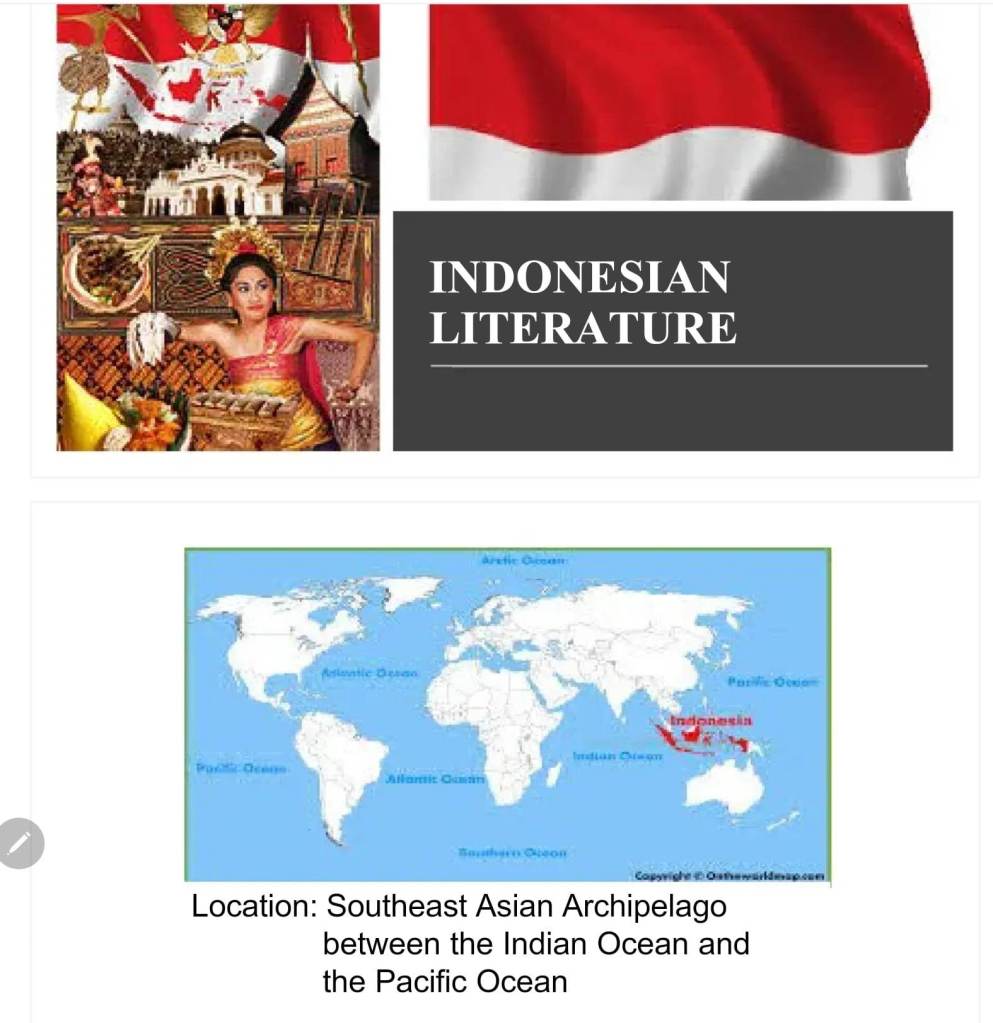
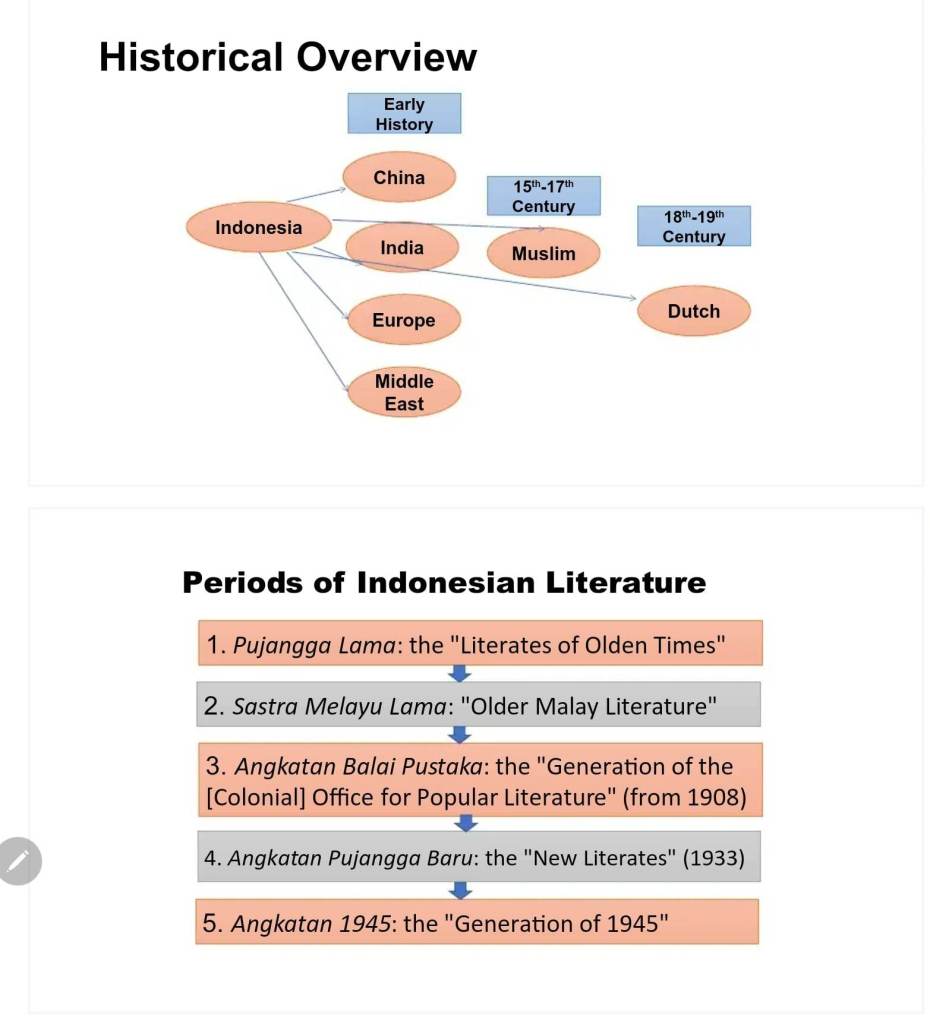
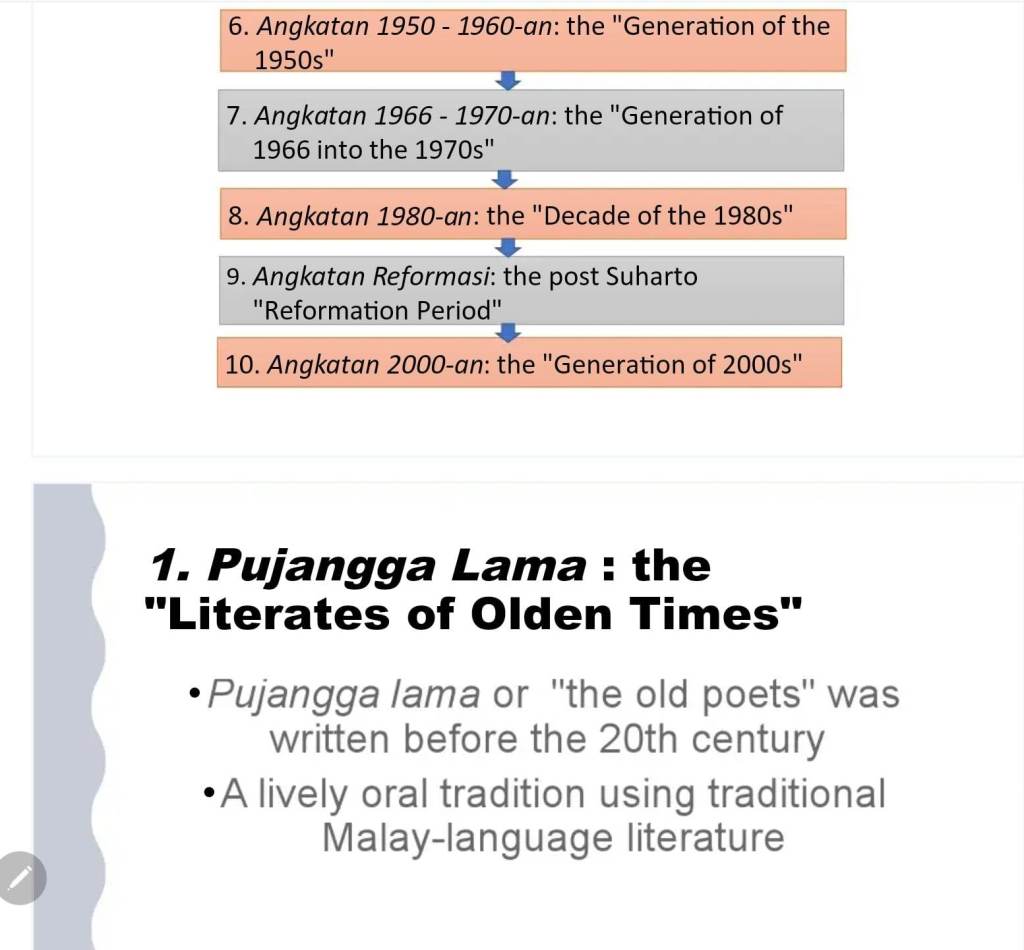
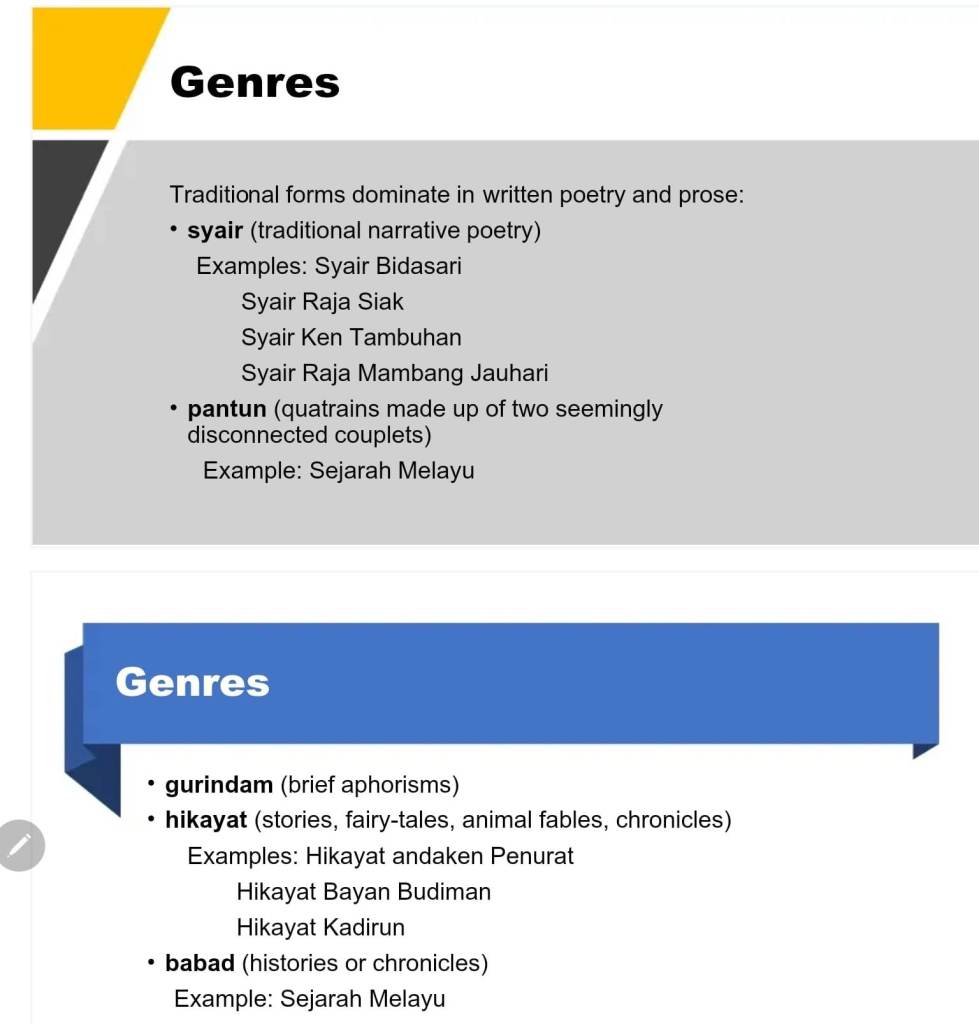
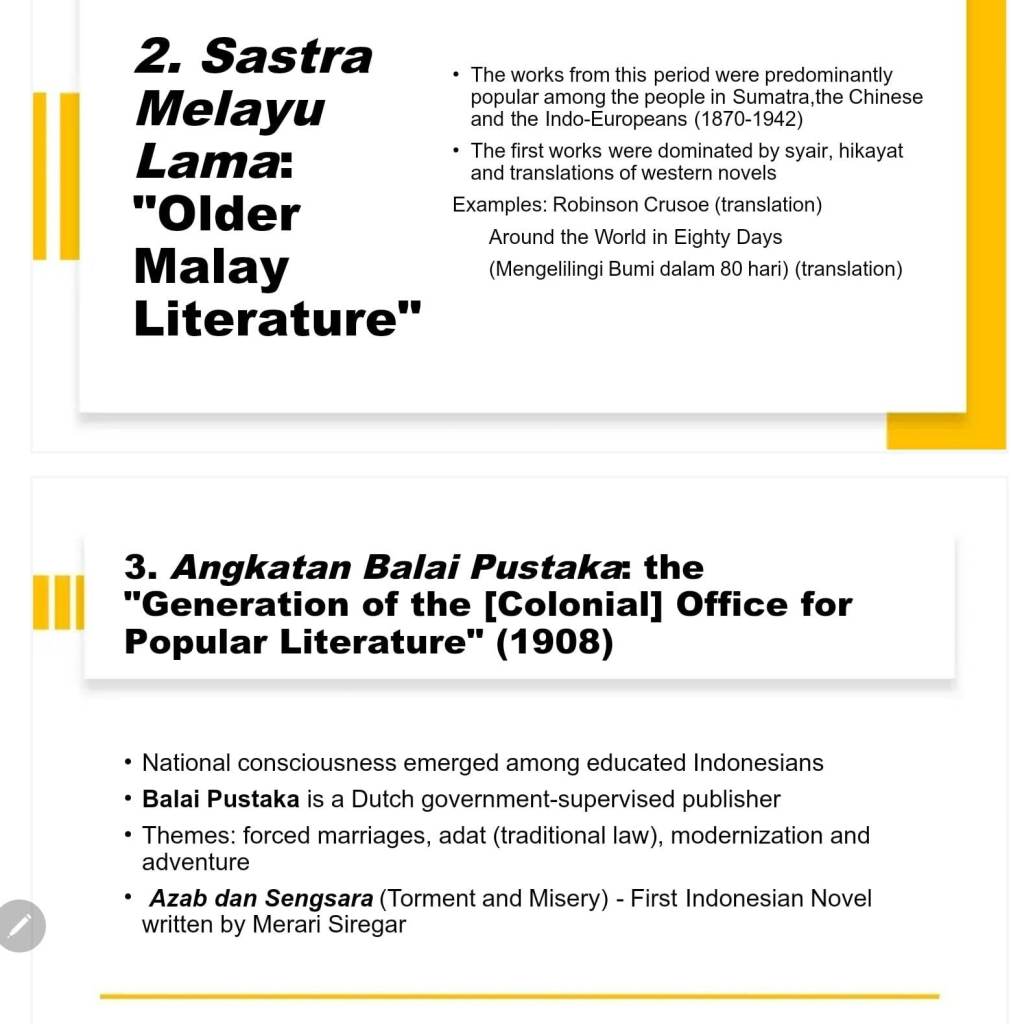
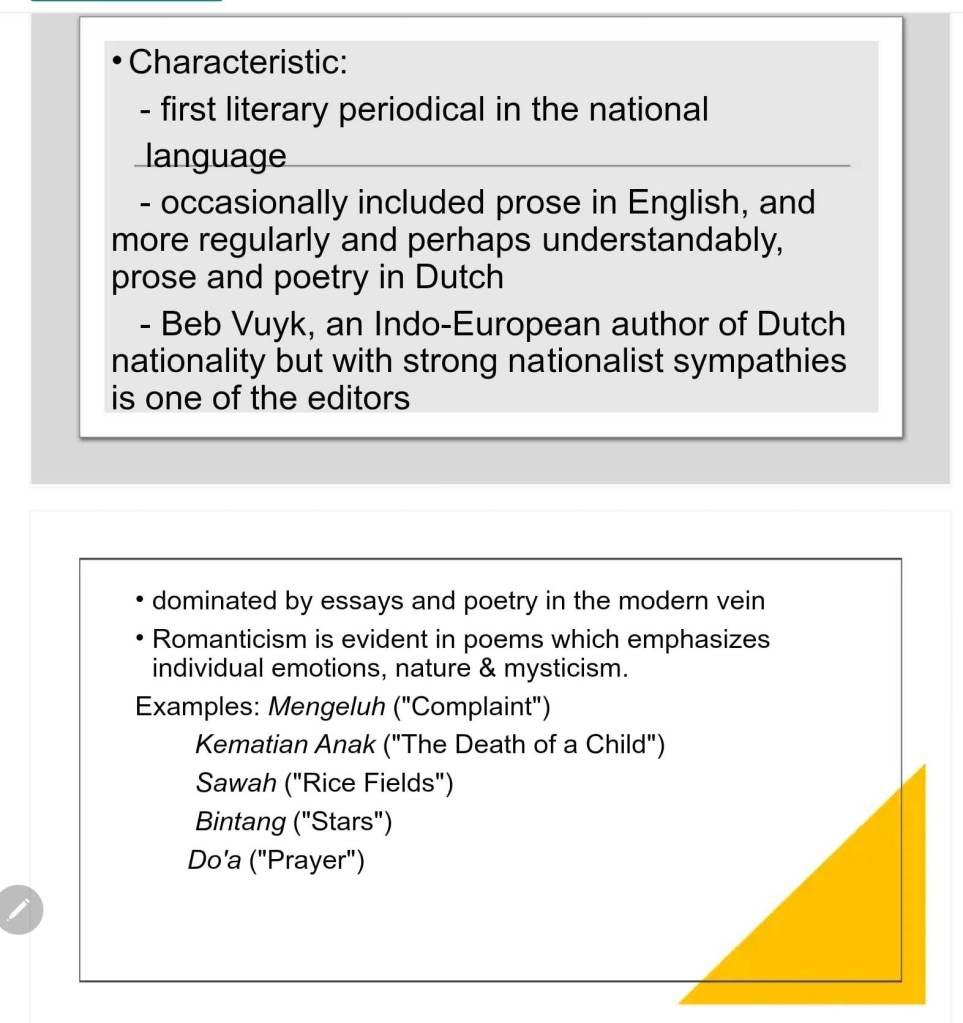
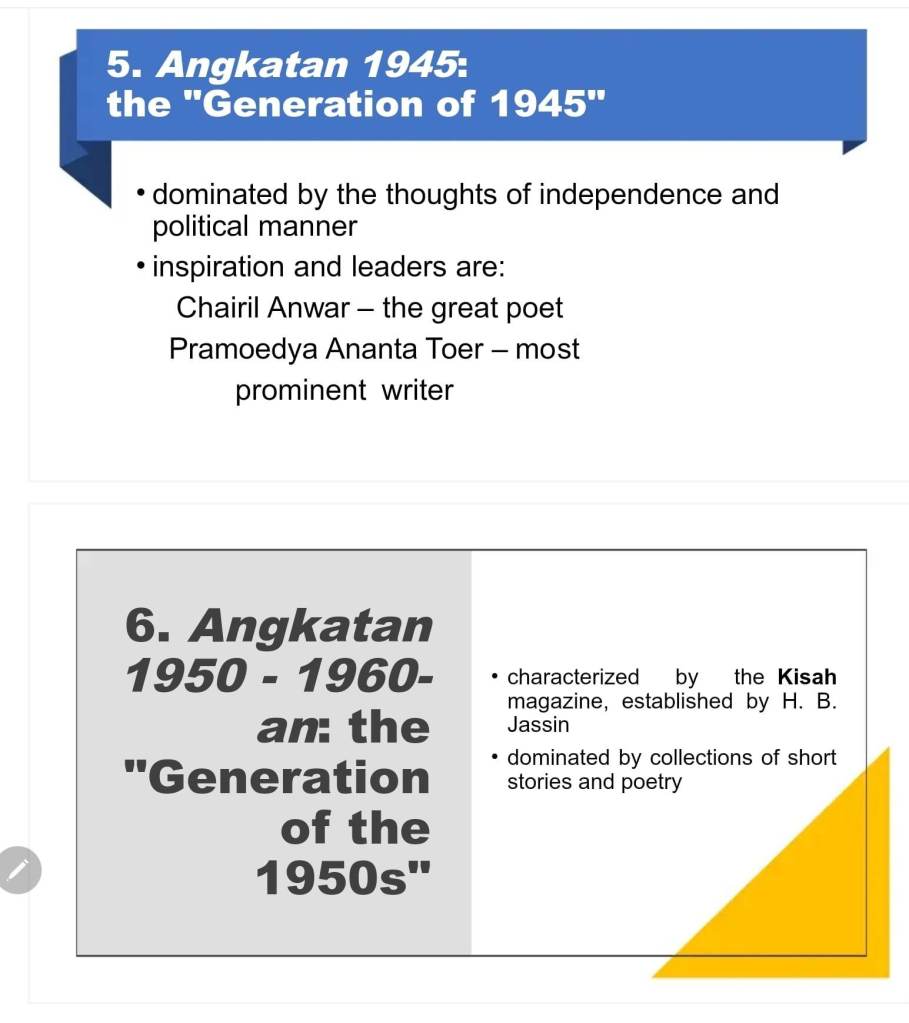
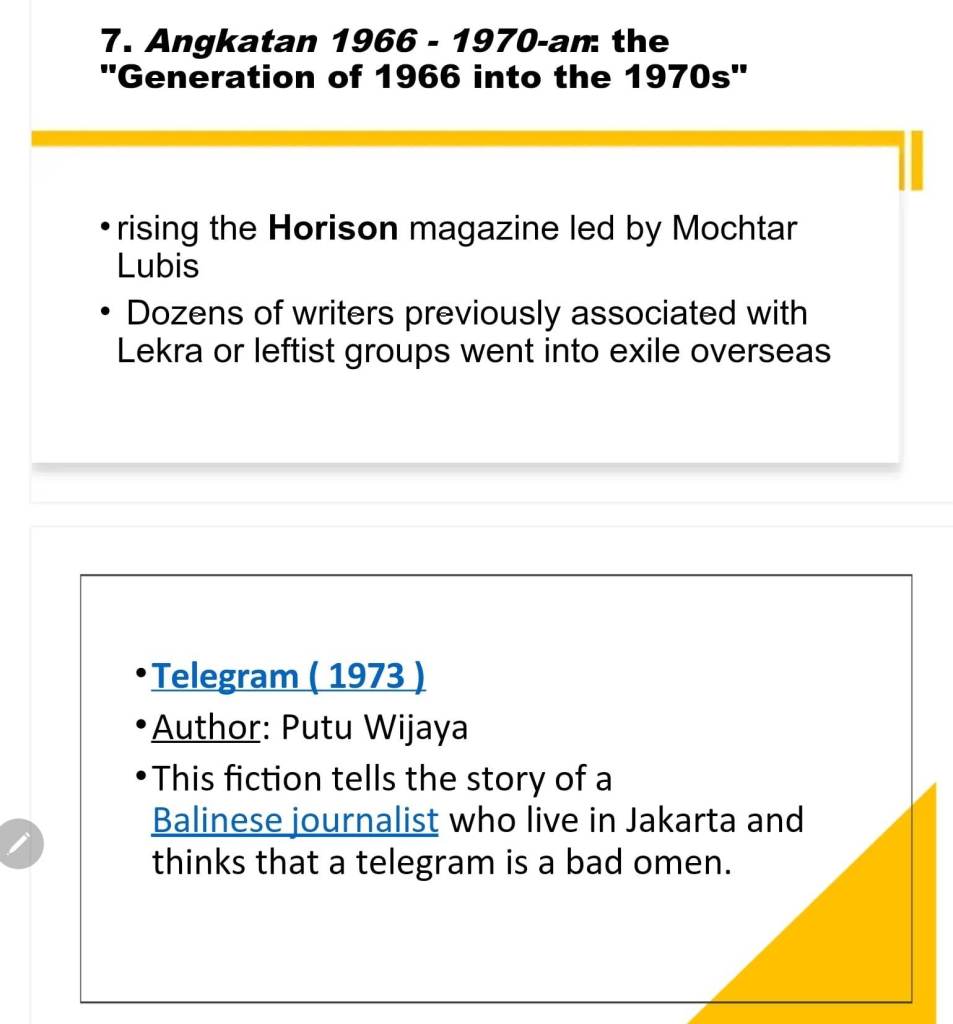
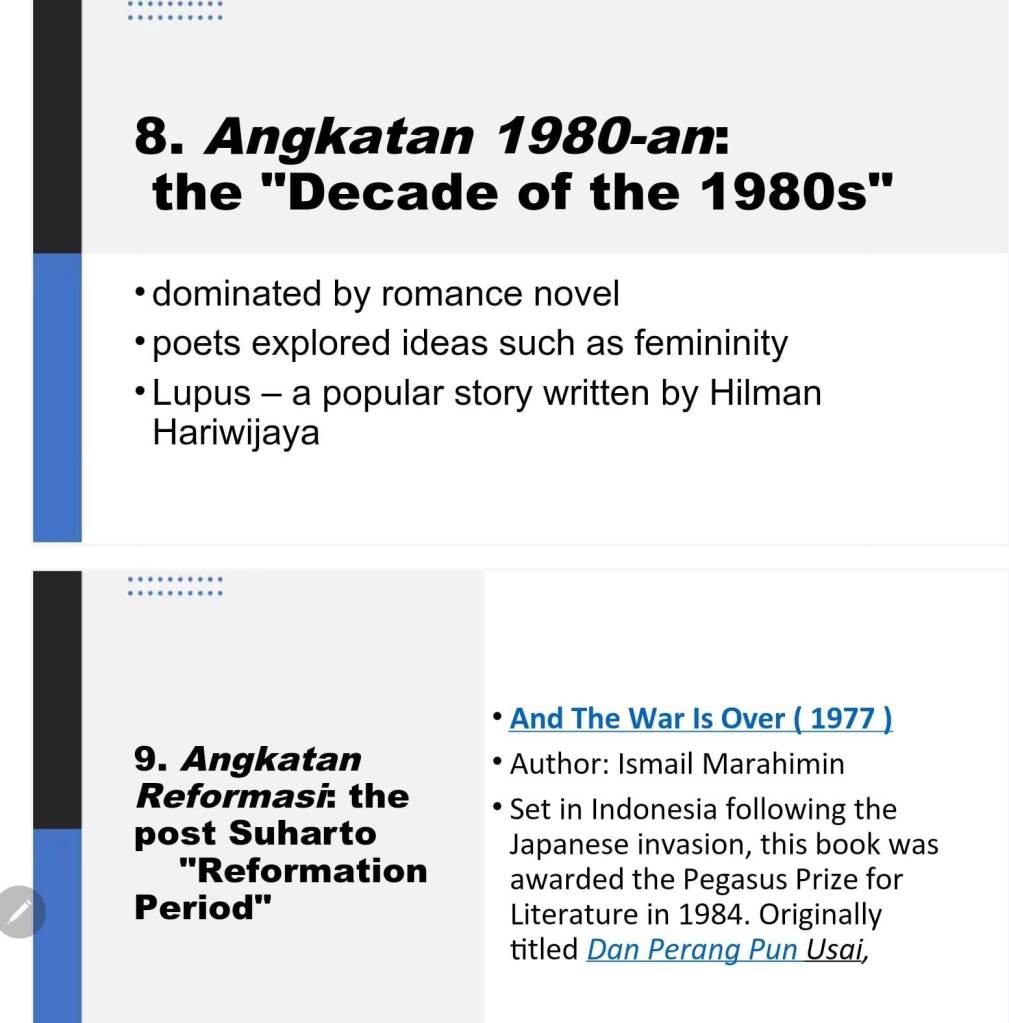
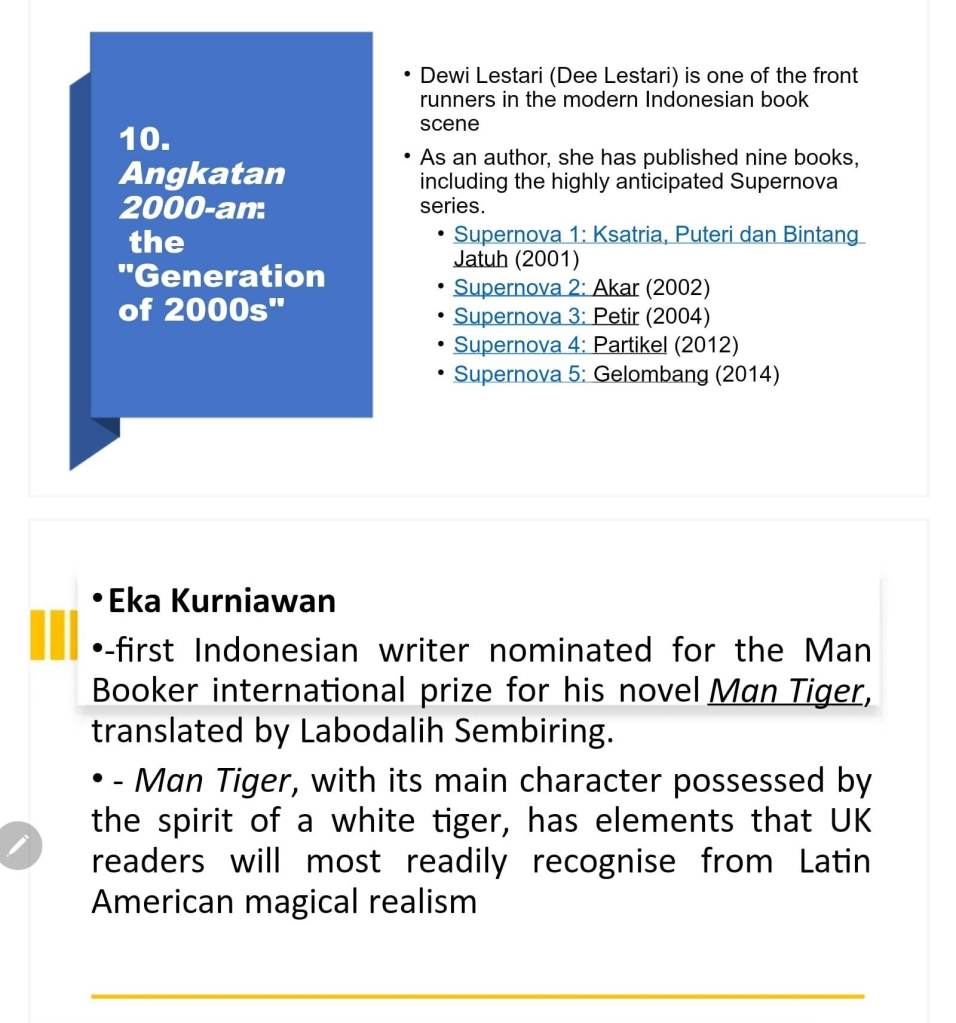
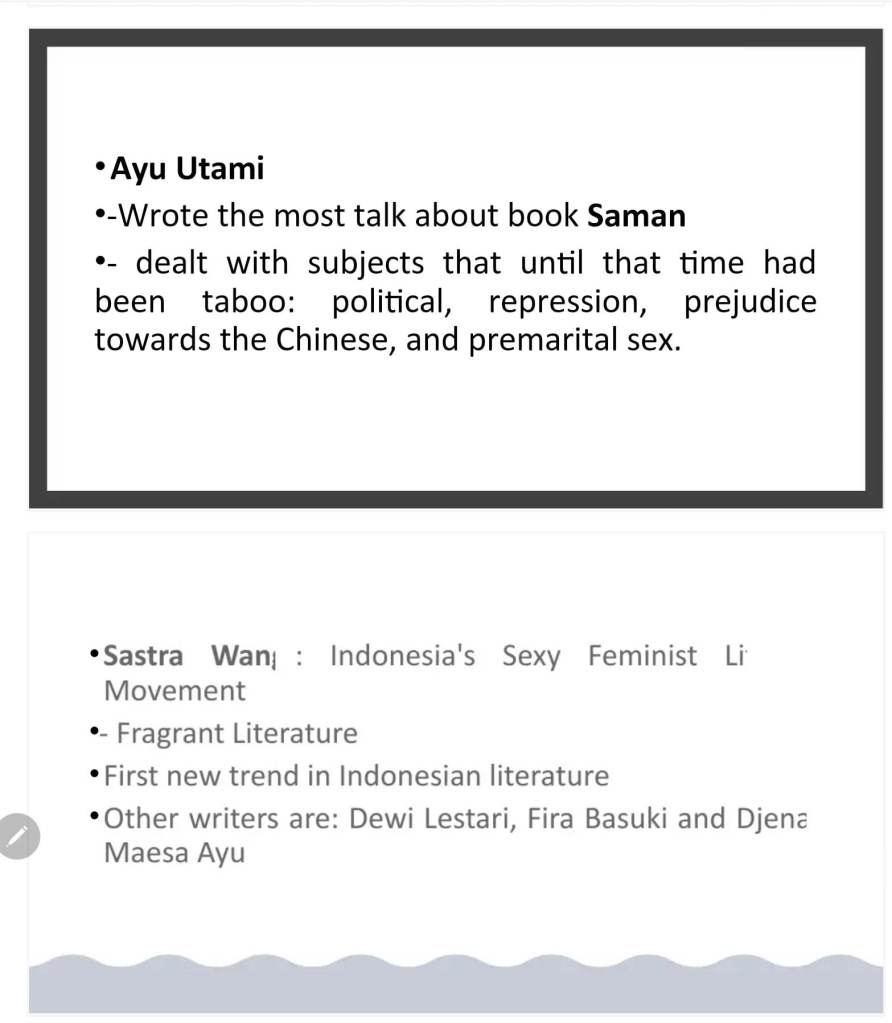
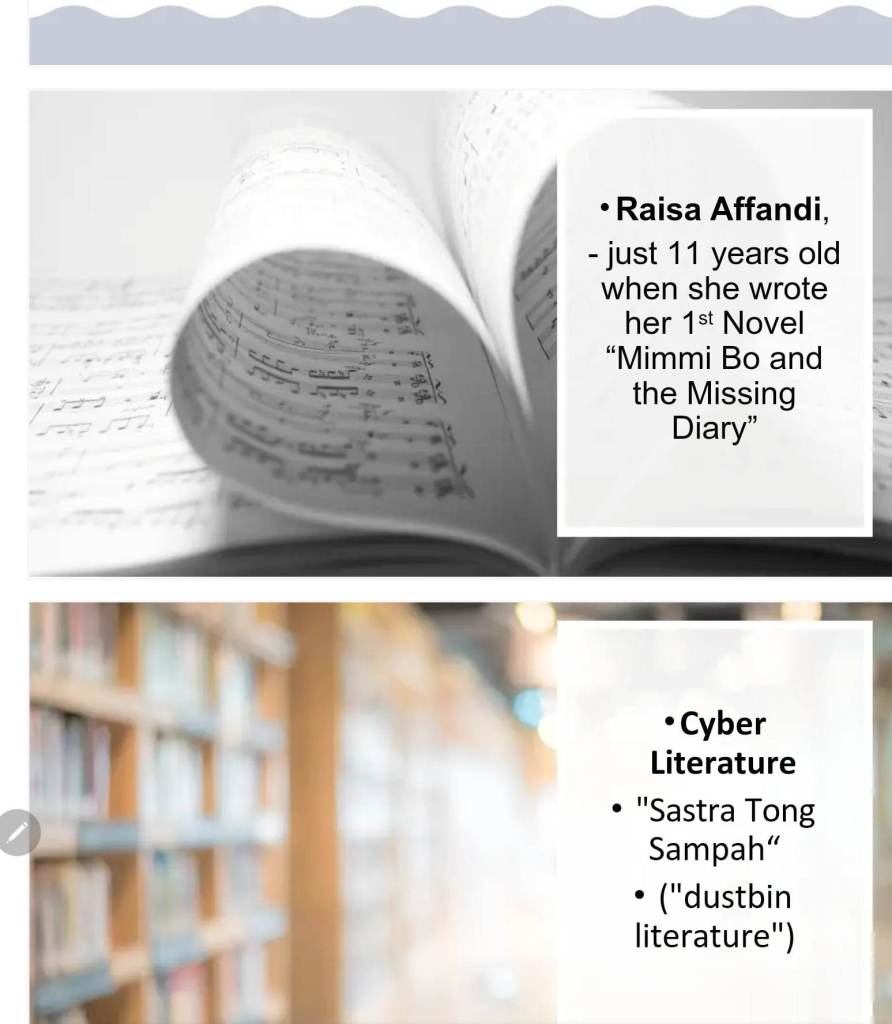
Indonesian literature is a term grouping various genres of South-East Asian literature. Indonesian literature can refer to literature produced in the Indonesian archipelago. It is also used to refer more broadly to literature produced in areas with common language roots based on the Malay language. An important position in this early literature is occupied by Javanese prose and poetic versions of the two great Hindu epics, the Mahabharata and the Ramayana. The Javanese also borrowed from India’s sophisticated court poetry in Sanskrit, in the process making it Javanese in expression, form, and feeling.


 Teaching and Assessement in Literature